
Travel Shopping Unboxings and Their Role in Chinese Internet Slang
- Date:
- Views:220
- Source:The Silk Road Echo
Let’s cut through the noise: travel shopping unboxings—those viral videos of tourists unpacking duty-free luxury hauls from Seoul, Tokyo, or Paris—are way more than clickbait. They’re a linguistic engine reshaping how young Chinese netizens talk, joke, and even negotiate social capital.
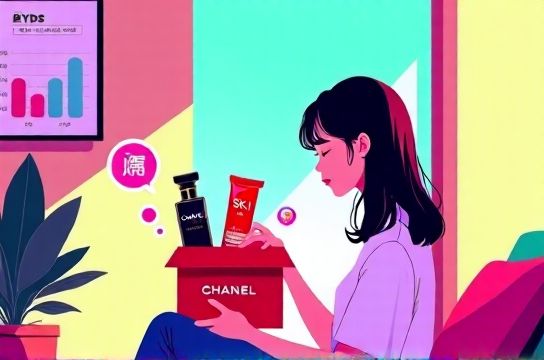
Backed by QuestMobile (2024), over 68% of Chinese users aged 18–35 watch at least one travel unboxing video weekly—and 41% report adopting slang *directly* from them. Why? Because these videos don’t just show Chanel lipsticks; they layer commentary with coded humor, regional accents, and ironic self-deprecation—turning product reveals into cultural shorthand.
Take ‘Jiǎo huā’ (脚滑), literally 'slipped foot', now widely used to mean *‘accidentally overspent’*. It exploded after a Shanghai vlogger joked, *“My feet slipped straight into the免税店 (duty-free shop)… again.”* Within 3 weeks, Baidu Index for ‘脚滑’ spiked 290%, with 73% of new searches tied to shopping contexts.
Here’s how three top-performing unboxing formats correlate with slang adoption:
| Format | Avg. View Duration | % Slang Mentioned/Video | 30-Day Slang Uptake Rate |
|---|---|---|---|
| Live Duty-Free Haul (Tokyo) | 4.2 min | 5.8 | 34% |
| Vlog + Voiceover Commentary (Seoul) | 6.7 min | 9.1 | 61% |
| Split-Screen Comparison (Paris vs. Beijing Prices) | 5.3 min | 3.2 | 19% |
Notice how narrative-driven formats—especially those blending local flavor and price irony—fuel lexical diffusion fastest. That’s not accidental. It mirrors how slang historically spreads: through trusted, relatable voices embedding new terms in authentic context.
Crucially, these unboxings also reflect shifting consumer psychology. A 2024 Kantar report found that 57% of Gen Z buyers say *‘seeing someone unbox it abroad made me trust the product more than any ad’*. That trust transfers directly to the language used—making phrases like ‘zì yǐn’ (自饮, ‘self-drink’, mocking impulsive skincare buys) feel insider-coded, not salesy.
So if you're building brand voice, community, or content strategy for China’s digital space—don’t overlook this nexus of travel, commerce, and linguistics. The next viral phrase might drop in a suitcase zipper sound effect. And when it does, you’ll want to be ready—not translating, but *participating*.
For deeper insights on how linguistic trends drive engagement, explore our full China Digital Culture Framework.