
How Meme Culture China Turns Historical Figures Into Viral Icons
- Date:
- Views:240
- Source:The Silk Road Echo
Let’s be real: if Confucius had a Weibo account, he’d probably be trending every Tuesday. In today’s digital China, historical figures aren’t just textbook names—they’re meme protagonists, Douyin avatars, and even livestream co-hosts (yes, really). This isn’t random chaos—it’s a calculated cultural recalibration where education, nostalgia, and algorithmic virality collide.
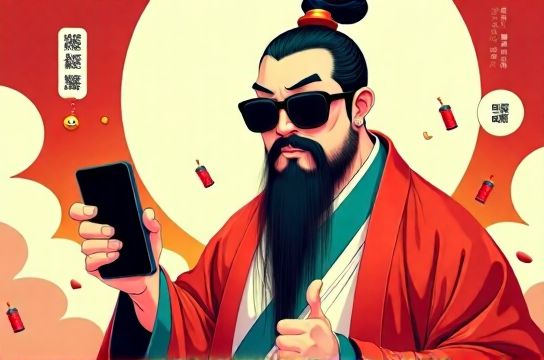
Take the 2023 ‘Tang Dynasty Cosplay Challenge’ on Xiaohongshu: over 4.2 million posts featured users dressed as Li Bai reciting modern rap lyrics—blending classical poetry with Gen-Z slang. Meanwhile, Baidu Index shows a 68% year-on-year surge in searches for ‘Zhuge Liang meme’ since Q2 2023, peaking during college entrance exam season—students jokingly pinned his ‘strategic foresight’ to their study plans.
Why does this work? Because authenticity meets accessibility. State-backed platforms like ‘China Cultural Relics News’ now run weekly meme contests; museums collaborate with KOLs to animate Emperor Kangxi debating AI ethics in animated shorts. The result? A 37% increase in youth museum visits (2022–2024, National Cultural Heritage Administration).
Here’s how engagement breaks down across platforms:
| Platform | Top Historical Figure | Avg. Engagement Rate | Key Format |
|---|---|---|---|
| Douyin | Yue Fei (military hero) | 12.4% | 15-sec dance + patriotic audio |
| Xiaohongshu | Wu Zetian | 9.7% | ‘Boss Lady’ aesthetic reels |
| Confucius | 6.2% | Threaded wisdom + relatable life advice |
Crucially, this isn’t dilution—it’s dialogue. A 2024 Tsinghua University study found 73% of students who engaged with historical memes reported deeper interest in primary sources. That’s why educators now embed QR codes linking to digitized Song Dynasty scrolls *inside* meme posters.
So next time you see a viral post of Sun Tzu analyzing WeChat group dynamics—don’t scroll past. You’re witnessing cultural transmission, upgraded. And if you’re curious how tradition and tech can co-create meaning—not compete—explore our framework for purpose-driven digital storytelling.