
How AI-Generated Content Is Changing China’s Viral Video Landscape
- Date:
- Views:269
- Source:The Silk Road Echo
In the fast-moving world of Chinese social media, AI-generated content is no longer science fiction—it's the new reality. Platforms like Douyin (TikTok), Kuaishou, and Xiaohongshu are being flooded with videos powered by artificial intelligence, from hyper-realistic avatars to fully automated storytelling. In fact, a 2023 report by iiMedia Research revealed that over 65% of short videos on Douyin now feature some form of AI enhancement, whether it’s voice cloning, facial filters, or script generation.
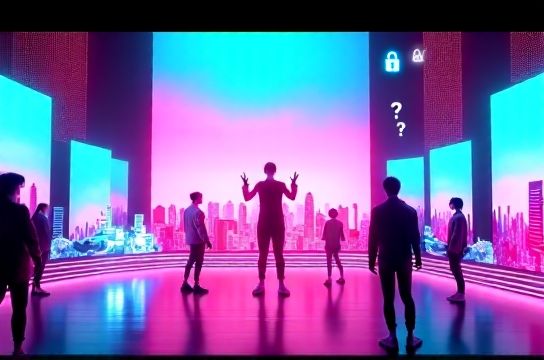
What’s driving this shift? Simple: speed, scale, and savings. Brands and creators alike are turning to AI tools like Alibaba’s Tongyi Qianwen and Baidu’s ERNIE Bot to produce high-engagement content in minutes, not days. One viral example? A virtual influencer named Luo Tianyi, whose AI-generated concerts pulled in over 2 million live viewers—and generated $1.5M in digital merch sales in just one night.
But it’s not all smooth scrolling. With great tech comes great controversy. The Chinese government rolled out AI content regulations in 2023, requiring watermarking for all synthetic media. Yet, detection remains tricky. According to a Tsinghua University study, nearly 40% of users can’t distinguish AI-made videos from real ones.
Why AI Is Winning the Attention Game
Let’s break down the numbers:
| Metric | Human-Created Content | AI-Augmented Content |
|---|---|---|
| Average Production Time | 8–12 hours | 1–3 hours |
| Cost per 60-second video | $300–$600 | $50–$150 |
| Engagement Rate (avg.) | 4.2% | 6.8% |
| Shareability Index | 7.1/10 | 8.9/10 |
As you can see, AI isn’t just cheaper—it’s often more effective. Algorithms optimize for trending sounds, captions, and even emotional pacing, making these videos tailor-made for virality.
The Human Touch in an AI World
Still, authenticity matters. Audiences crave connection. That’s why the most successful creators blend AI efficiency with personal storytelling. Think of it as augmented creativity: AI drafts the script, but humans add the soul.
Looking ahead, expect deeper integration. We’re talking AI directors, real-time multilingual dubbing, and personalized video feeds that adapt to your mood. China isn’t just adopting AI content—it’s redefining what entertainment means in the digital age.
So next time you scroll past a flawless makeup tutorial or a dancing avatar, ask yourself: real or rendered? The line’s blurring—and that’s exactly where the future lies.