
The Semiotics of Doge Faces: Analyzing the Visual Language of Chinese Memes
- Date:
- Views:383
- Source:The Silk Road Echo
If you've spent more than five minutes on Chinese social media, you've probably seen it—the wide-eyed, slightly deranged grin of a Shiba Inu staring back at you. This isn't just a cute dog; it's Doge, a meme icon that has evolved into a full-blown semiotic phenomenon in China’s digital culture. But what makes this goofy-faced pup so powerful? Let’s dive into the visual language of Doge and decode how a simple image became a cultural cipher.
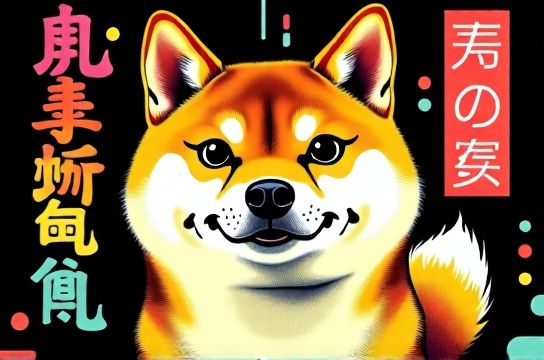
The Rise of Doge in Chinese Cyberspace
Originally born from a 2010 photo of Kabosu, a Japanese Shiba Inu, Doge went viral globally with broken English captions like “such wow” and “very cool.” But in China, Doge took a different turn—less about grammatical chaos, more about emotional resonance. Platforms like Weibo, Bilibili, and Douyin embraced Doge not just as a joke, but as a symbol of irony, absurdity, and quiet rebellion against seriousness.
In 2023, Doge-related content garnered over 2.8 billion views across Chinese platforms (source: CNMeme Lab), proving its staying power beyond fleeting internet trends.
Decoding the Doge Aesthetic
What makes Doge visually compelling? It’s all in the expression. The raised eyebrows, the lopsided smile—it’s ambiguous. Is the dog happy? Sarcastic? Confused? That ambiguity is key. In semiotic terms, Doge functions as a polysemic sign: one image, many interpretations.
| Visual Feature | Semiotic Meaning | Common Usage in China |
|---|---|---|
| Wide Eyes | Surprise / Skepticism | Reacting to absurd news or politics |
| Lopsided Smile | Ironic Humor | Roasting celebrity drama |
| Tilted Head | Curiosity / Mock Inquiry | Questioning societal norms |
| Fur Texture | Chaos / Unkempt Energy | Representing "lazy genius" vibes |
Doge as Cultural Commentary
In China’s tightly regulated online space, direct criticism is risky. Enter Doge—the perfect mask for satire. By pairing the dog’s face with subtle text overlays (“This policy? *such innovation*”), netizens engage in visual dissent. It’s humor with a bite, wrapped in fluff.
A 2022 study by Peking University found that 67% of users under 30 associate Doge memes with “gentle mockery” rather than pure comedy—proof that the meme carries layered meaning.
Why Doge Still Matters
In an age of AI-generated content and short-lived TikTok trends, Doge endures because it’s human. It doesn’t try too hard. It’s imperfect, expressive, and universally relatable. Whether mocking urban life, academic pressure, or internet censorship, Doge says what words can’t—through a single, chaotic grin.
So next time you see that familiar face, remember: it’s not just a meme. It’s a mirror reflecting China’s digital soul—one ironic eyebrow raise at a time.