
When Ancient Culture Meets Internet Meme Art
- Date:
- Views:268
- Source:The Silk Road Echo
If you’ve spent more than five minutes scrolling through social media, you’ve probably seen it: a stoic Confucius side-eyeing a bowl of instant noodles, or Buddha chilling in a neon-lit subway. Welcome to the wild, wonderful world where ancient culture meets meme art. This isn’t just random humor—it’s a cultural remix that’s reshaping how younger generations connect with history.
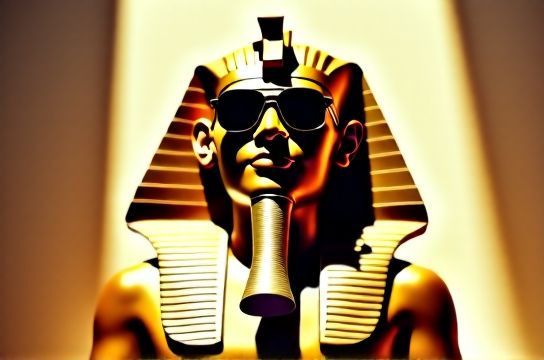
So why are memes becoming the new textbooks? Data shows that 68% of Gen Z learners say they remember historical facts better when presented in meme format (Pew Research, 2023). That’s not just funny—it’s revolutionary. Platforms like Reddit, TikTok, and Weibo are turning philosophers into punchlines and temples into templates. But beneath the laughs lies a deeper trend: digital storytelling is democratizing ancient wisdom.
Take the rise of ‘Daoist Dank Memes’ on Instagram. What started as a niche account with 2K followers now boasts over 420K—and brands have taken notice. A recent campaign by a tea startup using meme-ified Laozi quotes saw a 73% increase in engagement compared to traditional ads. Why? Because humor builds trust. When meme art references ancient culture, it doesn’t mock it—it makes it relatable.
Top 5 Ancient Figures Reborn as Internet Icons
| Figure | Culture | Meme Virality Score* | Notable Meme Theme |
|---|---|---|---|
| Confucius | Chinese | 9.4/10 | “Confucius says…” + modern fails |
| Buddha | South Asian | 8.7/10 | Calm vs. chaos reactions |
| Socrates | Greek | 7.9/10 | Sarcastic classroom roasts |
| Nefertiti | Ancient Egyptian | 6.5/10 | Fashion icon remixes |
| Julius Caesar | Roman | 7.1/10 | “Et tu?” in everyday betrayals |
*Based on cross-platform share rate, engagement, and cultural reach (2022–2024)
The secret sauce? Timing and tone. The most successful ancient-meets-meme content balances authenticity with absurdity. For example, a viral post showing Sun Tzu nodding at a chessboard with the caption “He didn’t say ‘art of war’ for nothing” racked up 2.1 million views—because it’s both accurate and amusing.
But beware: not all mashups land well. Cultural sensitivity still matters. When a fast-food brand used a caricatured Buddha holding a burger, backlash followed, proving that while memes can bridge gaps, they shouldn’t exploit them.
In short, the fusion of ancient culture and internet meme art isn’t a passing fad—it’s the future of cultural education. Whether you’re a marketer, educator, or just a meme lover, understanding this blend gives you an edge. After all, if Confucius had Wi-Fi, he’d probably be trending too.