
Douyin vs. Kuaishou: A Cultural Divide Reflected in Short Video Trends
- Date:
- Views:367
- Source:The Silk Road Echo
When it comes to short video apps in China, two names dominate the scene: Douyin and Kuaishou. At first glance, they might look the same — quick clips, catchy music, tons of likes. But dig a little deeper, and you’ll find they’re totally different worlds. Seriously, picking between Douyin and Kuaishou isn’t just about which app you open — it’s almost like choosing a lifestyle.
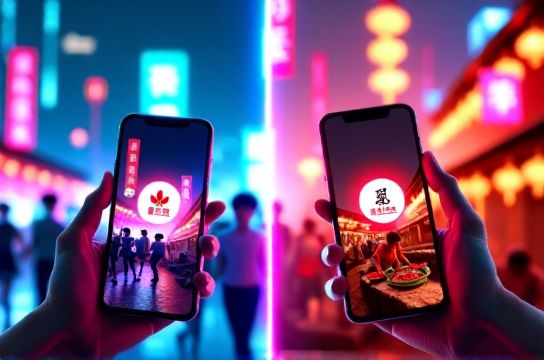
Let’s break it down. Douyin, owned by ByteDance and known as TikTok overseas, is all about polish, trends, and urban flair. Think sleek dance routines, fashion hauls, and influencers with perfect lighting. It’s where city dwellers go to stay ahead of the curve, follow global trends, and show off a curated version of their lives. If Instagram and YouTube had a baby in Beijing, it’d be Douyin.
Kuaishou, on the other hand? That’s realness. Launched earlier than Douyin, Kuaishou built its empire on authenticity and community. It’s popular in smaller cities and rural areas, where users share everyday moments — cooking dumplings in a village kitchen, fixing a tractor, or singing folk songs at a family gathering. No filters needed. The vibe? Warm, raw, and deeply personal.
This contrast isn’t just about content — it reflects a cultural split in China. Douyin leans toward aspiration. People use it to dream bigger, look cooler, and connect with mainstream pop culture. Kuaishou celebrates belonging. It’s less about going viral and more about being seen by people who know your story.
And the algorithms back this up. Douyin pushes content based on what’s trending globally — if a dance blows up in L.A., expect to see it in Shanghai within hours. Kuaishou’s algorithm favors familiarity, promoting videos from people nearby or with similar interests. It’s like a digital small town where everyone waves hello.
Monetization tells another story. On Douyin, brands flock to influencers for high-gloss ad campaigns. Luxury labels? Check. Fashion collabs? Double check. Kuaishou creators make money too, but through direct fan support — virtual gifts during live streams, grassroots e-commerce, and selling homemade goods. It’s e-commerce with a handshake.
So, are they rivals? Sure. But they also serve different needs. Saying Douyin beats Kuaishou (or vice versa) misses the point. One feeds ambition; the other nurtures connection. One is a runway, the other a living room.
In the end, the real story isn’t about which app wins. It’s how these platforms mirror China’s social fabric — urban vs. rural, polished vs. genuine, trending vs. timeless. Whether you’re chasing fame or sharing life, there’s a place for you. Just depends on which world feels more like home.