
When Emojis Speak Louder: The Evolution of Emoji Culture in Chinese Digital Communication
- Date:
- Views:287
- Source:The Silk Road Echo
Let’s be real—how often do you text someone without tossing in at least one emoji? 😅 In China, it’s not just about adding flavor to a message—it’s practically a whole new language. From the classic smiley face to the ever-mysterious doge (yes, that wide-eyed Shiba Inu), emojis have become the secret sauce of digital chats, especially among Gen Z and millennials.
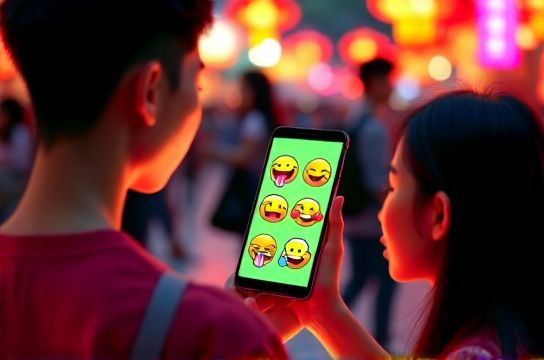
But here’s the twist: emojis in China aren’t just cute little icons. They’ve evolved into cultural symbols with meanings that go way beyond what you’ll find in the standard keyboard menu. Think about it—when someone sends you a ‘666’ (meaning awesome or skilled) followed by a fire emoji 🔥, they’re not just complimenting you—they’re dropping slang with style.
WeChat, China’s go-to messaging app, took emoji culture up a notch by introducing *custom stickers*. These aren’t your average smileys. We’re talking full-on animated characters like Luotianyi, the virtual pop star, or sarcastic pandas rolling their eyes. People don’t just use them—they collect them, share them, and even buy them. Yep, there’s a whole economy behind digital stickers worth millions.
And let’s talk subtext. In a culture where directness can be, well, awkward, emojis help people say what they *really* mean—without actually saying it. Sending a shy smiley 😊 after a date? That’s hope. A simple wave 👋 instead of a long goodbye? That’s distance. It’s emotional shorthand, perfected over late-night group chats and midnight DMs.
What makes Chinese emoji culture stand out is how deeply it’s tied to local internet slang and humor. Take the ‘bald’ emoji 🧑🦲—it’s not really about hair loss. Among young netizens, it’s code for being broke (because no money = no hair, get it?). Or the tea-drinking face 🫖, which signals gossip mode: "Spill the tea!" These playful twists show how emojis are more than decoration—they’re inside jokes on a global scale.
Brands noticed too. From Alibaba to Xiaomi, companies now launch limited-edition sticker packs during holidays or product launches. Why? Because if your brand has its own emoji, you’re officially part of the conversation—literally in people’s pockets.
So, are emojis replacing words? Not exactly. But in China’s fast-paced digital world, they’re doing something even cooler: building connection through cuteness, irony, and a little pixelated drama. When words fall short, emojis speak louder—and honestly, sometimes they just say it better.