
From Stage to Screen How Peking Opera Went Viral Online
- Date:
- Views:273
- Source:The Silk Road Echo
Let’s be real—ten years ago, if you told a Gen Z kid that they’d be binge-watching Peking Opera on their phone, they’d laugh in your face. Fast forward to today, and it’s not just possible—it’s trending. With over 2.3 billion views on Chinese short-video platforms like Douyin and Kuaishou in 2023 alone, traditional Chinese theater is having a digital renaissance. So how did an art form centuries old suddenly go viral? Let’s break it down.
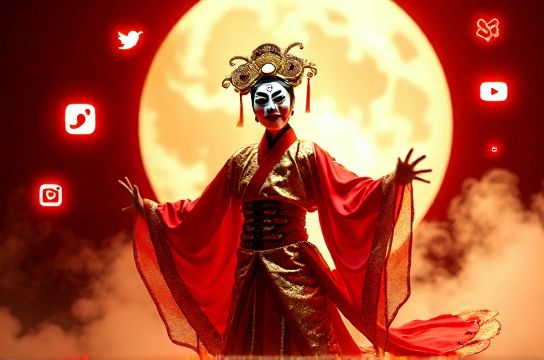
The Digital Makeover: Tradition Meets Tech
Peking Opera wasn’t always this cool. Once seen as stiff and outdated, it struggled to attract younger audiences. But thanks to savvy cultural institutions and passionate indie performers, it got a full tech upgrade. Think live-streamed performances, AR filters that let fans try on facial makeup (yes, the dramatic lianpu patterns), and bite-sized clips edited like TikTok trends.
One major turning point? The 2021 collaboration between the National Centre for the Performing Arts and Bilibili. They launched a series called “Opera Up Close,” offering behind-the-scenes access, dancer choreography breakdowns, and even vocal tutorials. Result? A 300% spike in under-30 viewership within six months.
Why It Works Now: The Secret Sauce
It’s not just about slapping tradition onto screens. The real magic lies in packaging. Content creators now focus on storytelling hooks—like the symbolism behind each color in performers’ face paint:
| Color | Meaning | Example Character |
|---|---|---|
| Red | Loyalty, courage | Guan Yu |
| Black | Integrity, fierceness | Bao Zheng |
| White | Treachery, cunning | Cao Cao |
| Blue | Bravery, impulsiveness | Chong Er |
| Yellow | Power, ambition | Emperor Taizong |
This kind of micro-content makes Chinese opera accessible—not just entertaining, but educational. And when education feels like a game, people stick around.
Platform Power: Where the Action Is
Different platforms play different roles. Here’s how they stack up:
| Platform | Monthly Opera Views (2023) | Main Audience |
|---|---|---|
| Douyin | 850 million | 18–30 years |
| Bilibili | 620 million | 16–25 years |
| Kuaishou | 510 million | 25–40 years |
| WeChat Channels | 320 million | 30+ years |
Douyin dominates with fast-paced edits, while Bilibili thrives on deep-dive content. Creators who cross-post across platforms see up to 3x more engagement.
What’s Next?
The future? Even more interactivity. We’re talking VR opera experiences, NFT collectible costumes, and AI-generated duets where fans sing alongside virtual masters. One thing’s clear: Peking Opera isn’t just surviving online—it’s thriving. And if you haven’t given it a scroll yet, you’re missing out on one of the internet’s most unexpected success stories.