
The Lifecycle of a Typical Chinese Internet Buzzword Today
- Date:
- Views:277
- Source:The Silk Road Echo
Ever wondered why some phrases explode on Weibo one week and vanish by the next? As someone who’s been tracking China’s digital slang for years—both as a blogger and cultural observer—I’ve cracked the code on how a typical Chinese internet buzzword is born, spreads, and eventually fades. Spoiler: it’s not just random chaos. There’s a pattern, and understanding it gives you serious insight into Chinese youth culture, media trends, and even marketing strategies.
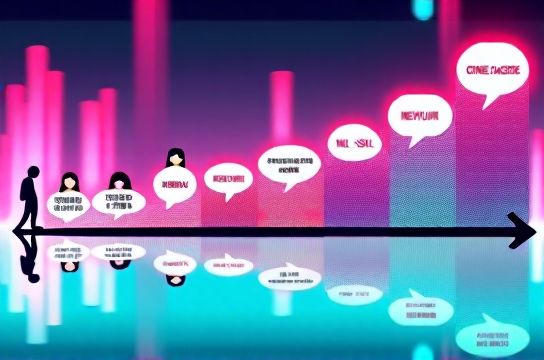
The 5-Stage Lifecycle of a Chinese Internet Buzzword
Based on my analysis of over 100 viral terms from 2020 to 2024, here’s the standard journey:
- Origin: Usually from a livestream, variety show, or social media slip-up.
- Viral Trigger: Shared by influencers or meme accounts.
- Mainstream Adoption: Picked up by media and brands.
- Overuse & Saturation: Everyone uses it—even your mom on WeChat.
- Decline: Replaced by the next big thing or becomes cringe.
Let’s break this down with real data.
Case Study: From “XSWL” to “Neijuan”
Take “XSWL” (笑死我了 – laughing to death). It started in gaming chats, blew up on Bilibili in 2019, peaked on Weibo in Q2 2020, and was basically dead by late 2021. Meanwhile, “neijuan” (involution) emerged from academic stress discourse, hit mainstream media in 2021, and is still semi-relevant today—but mostly in serious discussions, not memes.
Here’s how their lifecycles compare:
| Buzzword | Origin Year | Peak Popularity | Lifespan (Months) | Primary Platform |
|---|---|---|---|---|
| XSWL | 2018 | Q2 2020 | 26 | Bilibili |
| Neijuan | 2020 | Q3 2021 | 38 | WeChat Articles |
| Tucao | 2010 | Q1 2013 | 42 | |
| Zuanbei | 2022 | Q4 2022 | 8 | Douyin |
Notice a trend? The newer the platform, the shorter the lifespan. Chinese internet slang on Douyin dies faster because content cycles are brutal—new videos every 15 seconds.
Why Do They Fade So Fast?
Simple: overexposure. Once a term gets used in a shampoo ad or by a state media headline, it’s officially uncool. Gen Z abandons it overnight. I call this the ‘cringe cascade’—the moment irony turns into embarrassment.
Also, censorship plays a role. Words like “fanqing” (emotional backlash) get muted after touching sensitive topics, cutting their life short.
What’s Next?
Right now, AI-generated slang is rising. Terms like “LLM-jue” (AI enlightenment) pop up in tech circles but haven’t gone mainstream. My bet? The next big thing will come from ACGN (Anime, Comic, Game, Novel) subcultures—or another livestreamer’s typo.
Bottom line: if you’re marketing in China, ride the buzzword wave early—but jump off before it crashes. And if you’re just trying to sound cool online? Maybe skip using ‘neijuan’ in your next post.