
Comparing TikTok vs Kuaishou User Behavior in China
- Date:
- Views:273
- Source:The Silk Road Echo
If you're trying to crack the Chinese short-video market, two names dominate: TikTok (known as Douyin in China) and Kuaishou. But here’s the real question — which platform actually works better for your brand? As someone who’s spent years analyzing user behavior across both apps, I’ll break down the key differences using real data, not hype.
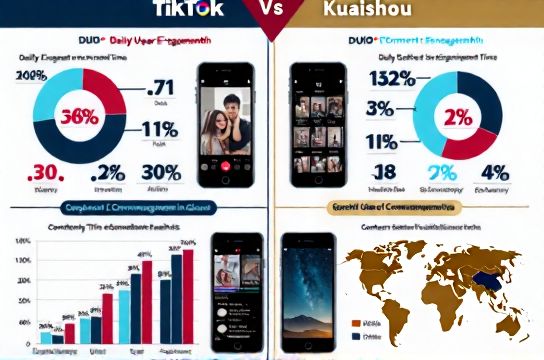
Let’s start with a quick reality check: TikTok (Douyin) is flashy, urban, and trend-driven. Kuaishou? It’s more down-to-earth, rooted in smaller cities and genuine community vibes. That cultural DNA shapes everything — from content style to purchasing behavior.
Who’s Watching What?
Data from QuestMobile (2023) shows TikTok has around 720 million monthly active users (MAUs), while Kuaishou sits at 590 million MAUs. Sounds like TikTok wins, right? Not so fast.
Kuaishou users spend an average of 120 minutes per day on the app — that’s 20 minutes more than TikTok’s 100-minute average. Why? Because Kuaishou fosters stronger creator-follower relationships. Think of it like this: TikTok is the cool club everyone wants to get into; Kuaishou is your local hangout where people know your name.
User Demographics: City vs. County
This is where it gets juicy. Over 60% of Kuaishou’s users come from lower-tier cities and rural areas. In contrast, TikTok skews toward first- and second-tier urban centers. If your product targets budget-conscious families or everyday essentials, Kuaishou’s audience might be way more valuable.
Check out this breakdown:
| Platform | Avg. Daily Time (min) | Main User Base | E-commerce GMV (2023) |
|---|---|---|---|
| TikTok (Douyin) | 100 | Urban, younger (18–30) | $140B |
| Kuaishou | 120 | Smaller cities, broader age | $65B |
Notice something? TikTok drives higher e-commerce volume, but Kuaishou users are more engaged. For brands building long-term loyalty, that engagement is gold.
Content & Conversion: Performance vs. Trust
TikTok thrives on polished, high-energy videos — think dance challenges and celebrity endorsements. It’s great for viral reach. But Kuaishou’s strength lies in authenticity. Live streams often feel like chatting with a friend who’s genuinely excited about a product. That trust translates to conversion.
In fact, Kuaishou’s live-stream shopping conversion rate averages 8–12%, compared to TikTok’s 4–6%. Lower flash, higher close.
Another pro tip: Kuaishou creators typically have smaller followings but deeper connections. A mid-tier influencer there can outperform a TikTok mega-star when it comes to actual sales — especially for niche or functional products.
Which Platform Should You Choose?
Here’s my rule of thumb: if you’re launching a trendy fashion line or targeting Gen Z in Shanghai or Beijing, go all-in on TikTok marketing. But if you’re selling household goods, beauty tools, or value-focused products, Kuaishou’s loyal, time-rich audience will give you better ROI.
Many brands now use both — TikTok for awareness, Kuaishou for conversion. The smart play? Test small campaigns on each, track engagement and cost per conversion, then double down where it counts.
Bottom line: Don’t just chase downloads. Chase daily habits, trust, and time spent. In China’s short-video wars, the quieter platform might just win the customer for life.