
Why Foreigners Misunderstand Chinese Online Humor Often
- Date:
- Views:391
- Source:The Silk Road Echo
If you've ever scrolled through Chinese social media and scratched your head at a viral meme, don’t worry—you're not alone. Even fluent Mandarin speakers often miss the punchline. Why? Because Chinese online humor isn’t just about language—it’s a cultural code.
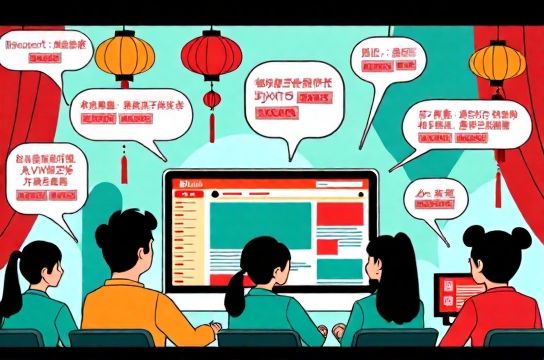
As someone who’s spent years deep in Weibo, Douyin, and Bilibili threads, I’ve seen how Chinese internet culture operates on layers of context: historical references, political satire (often veiled), and wordplay that simply doesn’t translate. Let’s break down why outsiders get lost—and how to catch up fast.
The Language Trap: It’s Not Just Words
You might know what “摆烂” (bǎi làn) literally means (“to lay rotten”), but online, it’s self-deprecating Gen Z slang for “I’m failing, and I’ve accepted it.” This kind of ironic resignation is everywhere—but without knowing the societal pressure behind it (hello, 996 work culture), the joke falls flat.
Then there’s homophonic puns. For example:
- “加油” (jiā yóu) = “Add oil,” used to cheer someone on… but also sounds like refueling a car.
- “虾扯蛋” (xiā chě dàn) = Nonsense! But literally means “shrimp扯 egg”—absurd imagery as humor.
Cultural Context Is King
Many memes reference old TV dramas, viral scandals, or even ancient poetry. A meme showing Nezha flipping off authority? That’s not rebellion—it’s a nod to generational frustration with rigid systems.
And let’s talk censorship. Because direct criticism is risky, Chinese netizens use irony, allegory, and absurdism to vent. A post about “eating instant noodles again” might actually be mocking rising living costs. Missing that subtext means missing the whole point.
Key Differences in Humor Styles
Here’s how Chinese digital humor stacks up against Western styles:
| Aspect | Chinese Online Humor | Western Online Humor |
|---|---|---|
| Tone | Ironic, resigned, collective | Sarcastic, individualistic, confrontational |
| Delivery | Wordplay, memes, parodies | Puns, roasts, absurdist videos |
| Common Themes | Economic stress, family pressure, education | Politics, identity, pop culture |
| Censorship Workarounds | Allegory, homophones, emoji codes | Direct satire, parody accounts |
See the contrast? While Western memes might roast a politician by name, Chinese users might depict them as a specific type of vegetable—because that’s how you stay online.
How to Get the Jokes
Start by following real users—not influencers—on platforms like Bilibili and WeChat Moments. Watch how they react to news. Notice recurring phrases. Use tools like Pleco with screenshot OCR to decode meme text.
Most importantly: embrace confusion. The best way to understand neijuan (involution) isn’t reading a definition—it’s seeing 10 memes about people running on a treadmill that goes nowhere.
In short: Chinese online humor is less about laughs and more about shared survival. Once you see that, the jokes start making sense.