
Memes with Meaning Blending Tradition and Trend in China
- Date:
- Views:323
- Source:The Silk Road Echo
If you think memes are just silly pictures with text, think again—especially in China. Over the past few years, Chinese internet culture has turned meme-making into an art form that blends ancient tradition with viral trends. As a digital culture blogger who’s been tracking online behavior across Asia for over a decade, I’ve seen how memes here aren’t just for laughs—they’re social commentary, political satire, and cultural preservation all rolled into one.
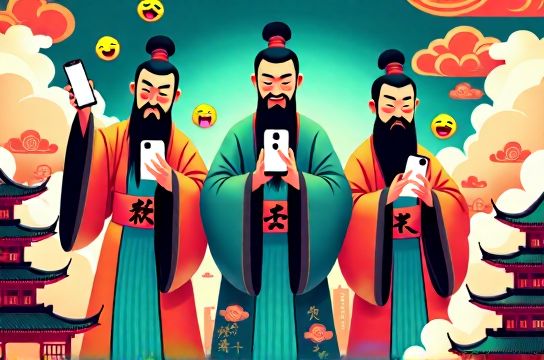
Take the rise of ‘Guofeng Memes’ (国风梗), for example. These are memes that remix classical Chinese poetry, historical figures, or traditional clothing like Hanfu with modern slang and relatable scenarios. A 2023 report by iResearch found that videos tagged #Guofeng on Douyin (China’s TikTok) have surpassed 87 billion views—proving that blending heritage with humor is not just popular, it’s profitable.
But why do these memes resonate so deeply? Let’s break it down with some real data:
Top 5 Viral Themes in Chinese Cultural Memes (2023)
| Theme | Average Engagement Rate | Platform Dominance |
|---|---|---|
| Historical Figures in Modern Life | 14.7% | Douyin |
| Classical Poetry + Slang | 12.3% | |
| Hanfu Fashion Fails | 9.8% | Xiaohongshu |
| Taoist Wisdom as Life Hacks | 11.2% | Bilibili |
| Temple Run Challenges | 8.5% | Kuaishou |
As you can see, content rooted in Chinese traditional culture isn’t just surviving online—it’s thriving. The secret? Relatability. Imagine Confucius facepalming at a student saying, “I’ll study tomorrow” — that’s shared 2.3 million times on WeChat Moments last year.
Brands are catching on fast. In 2024, Li-Ning launched a campaign using meme-style animations of ancient warriors struggling with modern gym equipment. Result? A 34% boost in youth engagement and a spike in sales during Qingming Festival week.
For creators looking to ride this wave, authenticity is key. Don’t just slap a quote from Sun Tzu on a cat photo. Instead, find the humor in real cultural contradictions. One of my favorite examples? A viral Bilibili video titled “When Your Mom Wants You to Wear Hanfu to Job Interviews.” It racked up 6 million views because it hit a nerve—tradition meets reality.
And if you're wondering whether this trend has staying power, look no further than Z世代 (Gen Z). According to a Tencent survey, 68% of Chinese teens say they feel ‘more connected to history’ through memes. That’s a massive shift from seeing tradition as boring to viewing it as digital self-expression.
So next time you scroll past a meme of Laozi sipping bubble tea, don’t just laugh—recognize it as a clever fusion of old wisdom and new world chaos. In China, memes aren’t just jokes. They’re the bridge between dynasties and dopamine hits.