
Chinese Internet Slang Evolution Over the Years
- Date:
- Views:395
- Source:The Silk Road Echo
If you've ever scrolled through a Chinese social media feed and felt like everyone was speaking a secret code, you're not alone. 🤯 Chinese internet slang has evolved at lightning speed, turning everyday phrases into cryptic abbreviations, playful puns, and meme-powered expressions. As someone who's been tracking digital culture in China for over a decade, I’ve seen firsthand how these linguistic shortcuts don’t just reflect online trends — they mirror society, politics, and even economic shifts.
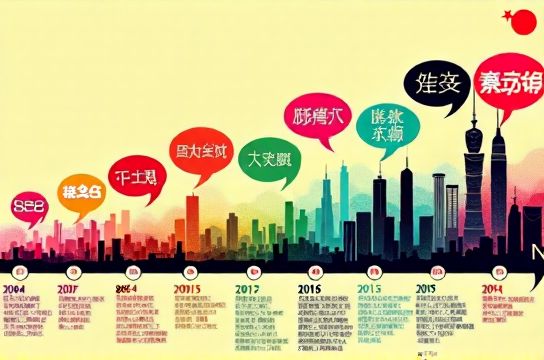
Let’s break down how Chinese internet slang has transformed from simple emoticons to full-blown cultural phenomena — with real data to back it up.
The Generational Shift of Chinese Net Slang
Back in the early 2000s, Chinese netizens relied on pinyin abbreviations like GG (gege, older brother) or MM (meimei, younger sister). Fast forward to today, and we’re dealing with layered meanings: 社死 (she si) means “social death” — that cringe moment when you embarrass yourself in public (or online). Then there’s 内卷 (neijuan), literally “involution,” used to describe cutthroat workplace competition. And who could forget 躺平 (tangping), or “lying flat” — the anti-hustle movement that went viral around 2021?
To help you visualize the evolution, here’s a quick timeline:
| Era | Key Slang | Meaning | Popularity Peak |
|---|---|---|---|
| 2000–2005 | GG, MM, 886 | Bye-bye, bro/sis | MSN & QQ Chat |
| 2006–2012 | 杯具 (beiju), 蚁族 (yizu) | Tragedy (homophone), white-collar migrants | Baidu Tieba |
| 2013–2018 | 打call, 锦鲤 (jinyu) | Show support, lucky charm | Weibo & Douyin |
| 2019–Present | 内卷, 躺平, 社死 | Overcompetition, disengagement, embarrassment | Red & WeChat Moments |
Notice how the platforms shape the slang? Early chatrooms bred abbreviations. Forums like Baidu Tieba encouraged wordplay. Now, short video apps push viral catchphrases that spread like wildfire.
Why This Matters Beyond Memes
These terms aren’t just cute nicknames — they’re social commentary. Take 内卷 (neijuan): searches for this term spiked by 340% on Baidu between 2020 and 2022, according to Google Trends data. It reflects real anxiety among young professionals facing job insecurity and housing pressures.
Similarly, 躺平 (tangping) became a quiet protest against burnout culture. A 2023 survey by PwC China found that 61% of Gen Z workers prefer work-life balance over promotions — a direct echo of the lying flat mindset.
How to Stay Updated (Without Getting Lost)
Follow key influencers on Xiaohongshu (Little Red Book) and monitor trending hashtags on Weibo. Also, keep an eye on annual lists like the People’s Daily Top 10 Internet Phrases. In 2023, entries included “电子榨菜” (digital pickles — binge-watching comfort content) and “显眼包” (the one who stands out, usually hilariously).
In short, understanding Chinese internet slang isn’t just fun — it’s essential for anyone doing business, marketing, or research in China. These words are the pulse of youth culture. Ignore them, and you’ll miss the real conversation happening online.