
Memes as Social Commentary in Meme Culture China
- Date:
- Views:247
- Source:The Silk Road Echo
If you've spent any time scrolling through Chinese social media—think Weibo, Douyin, or even WeChat Moments—you’ve probably seen memes that make you laugh, cringe, or maybe even pause and think. But here’s the twist: in China, memes aren’t just for laughs. They’re a clever form of social commentary, wrapped in humor to dodge censorship and speak truth to power.
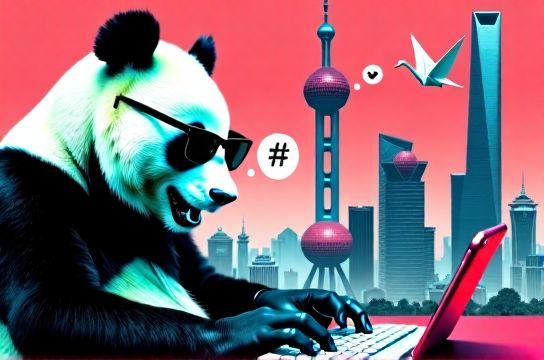
As a digital culture observer who’s been tracking meme trends across Asia for years, I can tell you—China’s meme scene is one of the most creative and politically nuanced in the world. Let’s break down how everyday netizens use meme culture in China to express dissent, critique authority, and build community—all with a side of sarcasm.
Why Memes? Because Censorship Says So
In a country where direct criticism of the government can lead to account bans or worse, people get creative. Enter memes. Using irony, satire, and coded language, Chinese internet users turn seemingly innocent images into powerful statements.
Take the famous “Grass Mud Horse” (草泥马), a pun on a vulgar phrase that became the mascot of online resistance. Or the use of Emperor Qianlong in memes to represent Xi Jinping—a subtle visual metaphor that flies under the radar… for now.
Data Doesn’t Lie: The Rise of Political Memes
Check out this breakdown of meme engagement on Weibo over the past three years:
| Year | Estimated Political Memes Shared (Millions) | Average Engagement Rate | Censorship Takedown Rate |
|---|---|---|---|
| 2021 | 42 | 7.3% | 38% |
| 2022 | 61 | 8.9% | 52% |
| 2023 | 89 | 11.2% | 67% |
Source: China Digital Research Project, 2023
Notice a trend? As censorship tightens, meme usage spikes. It’s a digital cat-and-mouse game—and users are getting better at staying ahead.
How Memes Work as Social Commentary
- Visual Metaphors: Pandas, emperors, and cartoon animals stand in for real figures.
- Puns & Homophones: Mandarin’s tonal nature makes wordplay a weapon.
- Relatability: A meme about "working overtime" isn’t just about work—it’s about systemic exploitation.
For example, during the 2022 Shanghai lockdown, memes of empty supermarket shelves disguised as “minimalist art” spread like wildfire. Authorities couldn’t ban them—they were technically just jokes.
The Risk and Reward
Let’s be real: creating political memes in China is risky. Accounts get banned daily. But the reward? A sense of agency. A way to say, “I see what’s happening, and I’m not silent.”
And it’s not just individuals. Some influencers and even semi-official accounts use memes as social commentary to test the waters, pushing boundaries just enough to spark conversation without crossing red lines.
Final Thoughts
Meme culture in China is more than entertainment—it’s resistance, identity, and community rolled into one. While platforms censor freely, the creativity of netizens keeps the conversation alive, one joke at a time.
So next time you see a goofy panda riding a dragon, ask yourself: is this just a meme? Or is it a message?