
Chengdu Slow Living at Its Best in Wide and Narrow Avenues
- Date:
- Views:248
- Source:The Silk Road Echo
If you're chasing the real soul of Chengdu, skip the crowded museums and high-speed metro lines for a sec — head straight to Kuanzhai Alley, also known as the Wide and Narrow Avenues. As someone who’s explored every nook of this city, I can tell you: this is where slow living meets history, street food, and modern charm in one unforgettable blend.
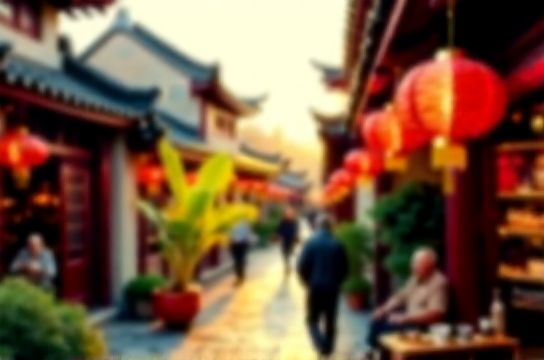
Forget sterile tourist traps. Kuanzhai Xiangzi (its Chinese name) is a beautifully restored Qing-dynasty neighborhood that somehow feels both authentic and polished. Walking through its stone-paved lanes, you’ll spot old teahouses beside hip cafés, Sichuan opera performers next to Instagrammable murals. It’s not just a sightseeing stop — it’s a lifestyle statement.
Let’s talk numbers. According to Chengdu Tourism Bureau data from 2023, Kuanzhai Alley welcomed over 18 million visitors annually, with an average dwell time of 2.7 hours — way above the city’s 1.4-hour average. Why? Because people don’t just walk through. They *linger*.
What Makes the Wide and Narrow Avenues Unique?
The area consists of three parallel alleys: Kuan Xiangzi (Wide Alley), Zhai Xiangzi (Narrow Alley), and Jing Xiangzi (Well Alley). Each has its own vibe:
| Alley | Width | Vibe | Must-Try |
|---|---|---|---|
| Kuan Xiangzi | 7 meters | Classic & scenic | Panda-themed souvenirs |
| Zhai Xiangzi | 3 meters | Cozy & artsy | Handmade crafts |
| Jing Xiangzi | 5 meters | Cultural & modern | Sichuan tea ceremony |
But let’s be real — most people come for the food. And wow, does this place deliver. From century-old recipes to viral street snacks, your taste buds are in for a ride. Try the dan dan noodles at Chen Mapo Tofu’s branch here, or grab a steaming bowl of chuan chuan xiang from a local cart. Pro tip: go between 10 AM and 11:30 AM to avoid lunchtime crowds.
Another reason I keep coming back? The cultural depth. Hidden in the alleys are courtyard houses turned boutique hotels and private galleries. One, called Yuzhang Academy, dates back to 1720 and now hosts calligraphy workshops. You won’t find this kind of layered history in your average shopping district.
And if you’re wondering whether it’s too touristy — yes, it’s popular, but not fake. Locals still live in adjacent areas, and morning routines include tai chi in the plazas and grandmas selling homemade pickles. That balance? Rare.
For travelers seeking authentic Chengdu culture, this isn’t just a stop — it’s the heart of the experience. Whether you’re sipping tea under a parasol or snapping photos of grey-brick courtyards, you’re not just visiting. You’re slowing down. And in today’s rush-rush world, that’s priceless.