
Short Video Stars and Their Impact on Chinese Society
- Date:
- Views:297
- Source:The Silk Road Echo
Let’s be real—have you ever found yourself scrolling through short videos at 2 a.m., wondering how that 15-second clip of a street vendor flipping pancakes turned into your latest obsession? Welcome to the world of short video stars in China, where ordinary people become overnight sensations and influence millions. As someone who’s been tracking digital culture trends across Asia for over a decade, I can tell you: this isn’t just entertainment. It’s a social revolution.
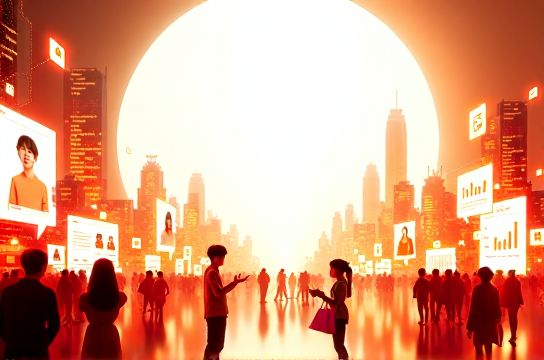
China’s short video platforms like Douyin (the domestic version of TikTok) and Kuaishou have over 900 million active users combined. That’s more than the entire population of Europe glued to their screens, watching everything from dance challenges to DIY tutorials. But what makes these video influencers so powerful? Let’s break it down with real data.
First, consider reach. A top-tier Douyin creator can rack up 50 million followers in under a year. Take Li Jiaqi, the ‘Lipstick King,’ who sold 10,000 lipsticks in one live stream back in 2018. His success wasn’t luck—it was strategy, timing, and deep audience understanding.
Why Short Video Stars Matter
Beyond viral fame, these creators shape consumer behavior, drive e-commerce sales, and even influence public opinion. In rural areas, farmers are using Kuaishou to sell produce directly to urban consumers, bypassing traditional supply chains. One farmer in Yunnan grew his strawberry sales by 300% after posting daily farming clips.
Here’s a snapshot of key metrics across major platforms:
| Platform | Monthly Active Users (Millions) | Avg. Daily Usage (Minutes) | Top Content Category |
|---|---|---|---|
| Douyin | 680 | 110 | Entertainment |
| Kuaishou | 420 | 95 | Lifestyle & Daily Vlogs |
| Bilibili (Short Videos) | 300 | 85 | Educational & Tech |
Notice something? Engagement is off the charts. Users aren’t just watching—they’re commenting, sharing, and buying. In 2023, short video-driven e-commerce sales hit $370 billion in China, accounting for nearly 15% of all online retail.
But it’s not all rainbows. With great influence comes scrutiny. The government has tightened regulations on live-stream selling, cracking down on false advertising and tax evasion. Some stars have vanished overnight after regulatory actions.
So what’s next? Authenticity wins. Audiences are tired of polished ads. They want real stories, real people. That’s why micro-influencers—creators with 10k to 100k followers—are seeing higher engagement rates (up to 8.3%) compared to mega-stars (avg. 2.1%).
If you’re trying to understand modern China, ignore short video culture at your peril. It’s reshaping media, commerce, and social mobility. Whether you're a marketer, sociologist, or just curious, pay attention. The next big trend might start with someone cooking noodles in a village kitchen—and going global by breakfast.