
Explaining 'Zao'an' and Other Morning Greetings Turned Meme Mania
- Date:
- Views:432
- Source:The Silk Road Echo
If you've scrolled through Chinese social media lately, you've probably seen the word 'Zao'an' pop up—often with a sleepy cat, a steaming bowl of noodles, or someone dramatically dragging themselves out of bed. But what started as a simple 'good morning' has exploded into a full-blown meme culture. Let’s dive into how Zao'an, Zao, and even Zaojia became viral sensations—and why they’re more than just greetings.
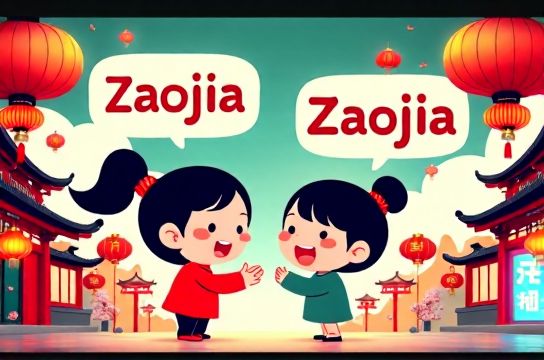
From Polite Greeting to Internet Gold
Zao'an (早安), literally meaning 'early peace', is the standard Mandarin way to say 'good morning'. But on platforms like Weibo, Douyin, and Xiaohongshu, it's been reinvented. Netizens now use it ironically, pairing it with absurd or relatable morning struggles—like hitting snooze seven times or showing up to work in pajama pants.
The trend took off during pandemic lockdowns when people began sharing their home routines. A simple 'Zao'an' post evolved into mini-vlogs: 'Zao'an… if staring at the ceiling for 30 minutes counts.' Humor + vulnerability = instant engagement.
Breaking Down the Morning Lingo
It’s not just Zao'an. Here are the key phrases fueling the meme wave:
| Phrase | Literal Meaning | Meme Vibe | Usage Context |
|---|---|---|---|
| Zao'an (早安) | Good morning | Sarcastic, sleepy | Posting at noon with bedhead |
| Zao (早) | Early | Cool, minimalist | Texts among Gen Z friends |
| Zaojia (早驾) | Morning driver | Niche, ironic | Used by night owls joking about driving at 9 AM |
Why These Memes Stick
These phrases tap into universal truths: mornings are hard, routines are messy, and we all need a laugh before coffee kicks in. According to a 2023 survey by China Internet Network Information Center, over 68% of young urban users engage with daily humor content—especially morning-themed posts.
Brands noticed too. Luckin Coffee launched a '#Zao'anChallenge' encouraging users to share their wildest wake-up stories—resulting in a 40% spike in morning app engagement.
Cultural Code vs. Comedy
In traditional settings, saying Zao'an shows respect—especially to elders. But online, it’s flipped: the more exaggerated your 'I haven’t brushed my teeth' energy, the more authentic you seem. It’s a digital rebellion against performative productivity.
Still, context matters. You wouldn’t send a meme-Zao'an to your boss (unless you’re *really* trying to get fired).
The Global Ripple
The trend has even crossed borders. On Reddit and TikTok, non-Chinese speakers mimic 'Zao'an' in morning check-in videos, blending language learning with internet culture. It’s proof that humor—and caffeine cravings—need no translation.
So next time you roll out of bed and snap a blurry selfie, tag it #ZaoanMeme. You’re not just saying good morning—you’re joining a movement where being gloriously un-ready is perfectly okay.