
From 'Xuexi' to 'Lanshou': Decoding China's Internet Slang in 2024
- Date:
- Views:289
- Source:The Silk Road Echo
If you’ve ever scrolled through Chinese social media and felt like everyone was speaking a secret code, you’re not alone. In 2024, China’s internet slang is wilder, funnier, and more creative than ever. From sarcastic nicknames to meme-powered phrases, these expressions aren’t just cute—they’re cultural snapshots of what young people are thinking, feeling, and quietly laughing about.
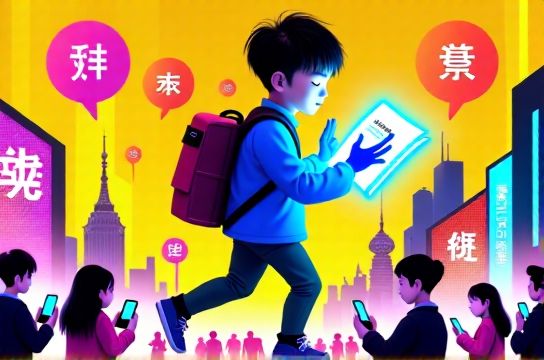
Let’s start with the obvious: ‘xuexi’. No, it doesn’t just mean ‘study’ anymore. Thanks to heavy political use, netizens have turned it into a tongue-in-cheek term for anything overly serious or forced—like when your boss says, ‘Let’s xuexi teamwork today.’ It’s subtle, it’s cheeky, and it flies under the radar.
Then comes ‘lanshou’, literally ‘blue shark’ but actually meaning someone who’s emotionally drained, burnt out, or just over life. Picture this: you wake up, check Weibo, see another scandal, and go, ‘Woyao lanshou le’—‘I’m turning into a blue shark.’ It’s Gen Z’s poetic way of saying, ‘I can’t even.’
Another fan favorite? ‘Jiuliu’. Sounds harmless, right? But in slang terms, it means ‘forever stuck at 99%’—like when your love life, career, or phone battery just won’t hit full. It’s relatable, it’s frustrating, and honestly, it’s too real.
Don’t forget ‘neijuan’, which went from niche academic term to national mood. It describes cutthroat competition where everyone works harder but no one wins. Students pulling all-nighters just to stay average? Neijuan. Employees answering emails at 3 a.m.? Peak neijuan. The word has become a rallying cry against burnout culture.
And then there’s ‘tangping’—‘lying flat’. It’s the chill cousin of neijuan. Instead of grinding endlessly, tangping is about opting out, chilling hard, and reclaiming peace. Want to skip the office party and binge anime in pajamas? That’s tangping energy.
What makes these phrases powerful isn’t just humor—they’re quiet acts of resistance. In a tightly controlled online space, slang lets people vent, bond, and say the unsayable—all while flying under censorship radar.
So why should you care? Because understanding slang is like getting a backstage pass to China’s youth culture. Brands that get it (like those using ‘lanshou’ in mental health campaigns) connect deeper. Outsiders who learn it stop sounding like textbooks and start sounding human.
The internet in China isn’t just about tech—it’s about tone. And in 2024, the tone is witty, weary, and weirdly hopeful. So next time you hear ‘xuexi’ or ‘lanshou’, don’t just translate it. Feel it.