
Meme Warfare: How Chinese Netizens Use Humor to Navigate Online Censorship
- Date:
- Views:289
- Source:The Silk Road Echo
Let’s be real—navigating the internet in China is like playing a high-stakes game of whack-a-mole. One minute your post is up, the next—poof—it’s gone. But instead of throwing in the towel, Chinese netizens have cooked up something way more creative: meme warfare. Yeah, you heard that right. When words get censored, jokes take over. And they’re not just laughing—they’re outsmarting.
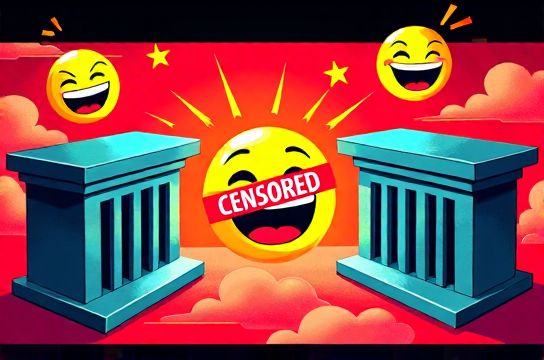
So how does this digital guerrilla comedy work? Simple: when sensitive topics are off-limits, people swap serious talk for silly images, absurd wordplay, and viral inside jokes. Think of it as coded humor. For example, calling a leader "uncle" or using the phrase "grass-mud-horse" (which sounds like a curse word in Mandarin) isn’t just random—it’s rebellion wrapped in nonsense. These memes fly under the radar because algorithms can’t always catch sarcasm or cultural nuance. Humans get it. Bots? Not so much.
Platforms like Weibo, Douban, and even private WeChat groups have become meme battlegrounds. A photo of a confused panda? Could be a comment on government policy. A duck wearing sunglasses? Maybe a dig at public figures. The beauty is in the ambiguity. Censors can’t ban every duck picture—there’d be chaos!
This kind of humor isn’t new. People under restrictive regimes have always used satire to speak truth without getting silenced. But in China, it’s hit a whole new level. Memes evolve fast—sometimes within hours—and spread like digital wildfire. They’re part吐槽 (tucao), part protest, all genius.
Of course, it’s not foolproof. Some users still get flagged or banned. But the cat-and-mouse game continues. Every time a meme gets blocked, ten more pop up in its place. It’s like the internet version of evolution: adapt or disappear.
And let’s not forget—the global internet is watching. These memes sometimes leak out, shared on Twitter, Reddit, or YouTube with subtitles explaining the hidden meanings. Suddenly, a joke about a melon farmer becomes an international symbol of resistance. That’s the power of humor: it travels farther than any manifesto.
At the end of the day, meme warfare isn’t just about avoiding censorship. It’s about community. It’s a way for people to say, "Hey, we see what’s happening, and we’re not staying quiet—even if we have to do it with a frog emoji and a pun."
So next time you see a weird meme from China, don’t just scroll past. Look closer. There might be a whole conversation hiding behind that goofy image.