
Understanding China's Meme Evolution Online
- Date:
- Views:245
- Source:The Silk Road Echo
Ever scrolled through Chinese social media and wondered, how did a cartoon panda become a symbol of digital rebellion? Welcome to the wild, witty, and wildly creative world of China’s meme culture. Unlike Western meme ecosystems fueled by platforms like Reddit or Twitter, China’s meme evolution thrives under unique constraints — heavy censorship, platform silos, and a hyper-creative netizen base that turns limitations into linguistic art.
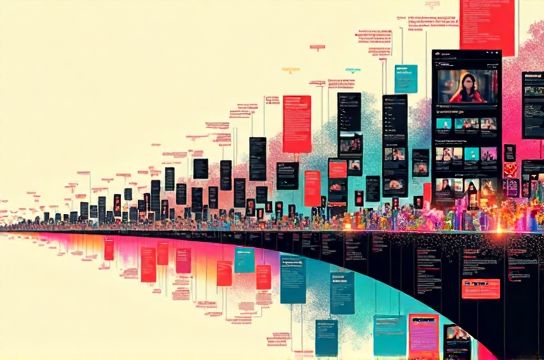
Chinese memes, or tucao (吐槽), aren’t just jokes — they’re coded social commentary. From the iconic Grass Mud Horse (a pun on a Mandarin profanity) to the absurdist Diaosi (loser) archetype, memes in China are survival tools in a tightly regulated digital space. They evolve fast, mutate constantly, and often vanish overnight when censors catch on.
The Rise of Visual Vernacular
With text-based dissent risky, Chinese netizens turned to images, emojis, and surreal visuals. Platforms like Weibo, Bilibili, and Douyin became meme incubators. A 2023 report by SenseTime Research found that over 68% of Gen Z users in China engage with meme content daily, primarily through short videos and image macros.
| Platform | Primary Meme Format | Monthly Active Users (2023) | Cultural Impact Score (1-10) |
|---|---|---|---|
| Image Macros & Hashtag Games | 580M | 9.1 | |
| Bilibili | Anime-Inspired Memes & Danmu Culture | 315M | 9.5 |
| Douyin | Short Video Skits & Audio Remixes | 750M | 9.3 |
Notice how Bilibili scores highest in cultural impact? That’s no accident. Its user-generated content and real-time comment overlay (danmu) create a communal viewing experience where memes spread like wildfire — think meme culture on steroids.
Censorship Breeds Creativity
Here’s the twist: China’s strict internet laws don’t kill humor — they reinvent it. When keywords get banned, netizens use homophones, rare characters, or even Japanese kana to slip past filters. The legendary Caonima (Grass Mud Horse) meme, for instance, uses a phonetic stand-in to mock authority — all while looking like an innocent alpaca.
This linguistic jujitsu is central to understanding online humor in China. It’s not just about laughs; it’s about resistance, identity, and staying one step ahead of the algorithmic watchdogs.
From Niche to National Phenomenon
What starts as an inside joke among gamers or anime fans can explode into national discourse. Take the 996.ICU movement — born from a GitHub repo protesting 9am–9pm, 6-day workweeks — which quickly spawned memes showing programmers as zombies, fueling global conversations about tech labor.
Brands have taken note. Companies like Li-Ning and Pinduoduo now co-opt meme aesthetics to stay relevant, blending irony with patriotism in ways that feel uniquely Chinese.
What’s Next?
As AI-generated content rises, so does the potential for deepfake memes and synthetic satire. But one thing’s certain: as long as there’s a gap between official narrative and public sentiment, Chinese netizens will keep laughing — quietly, cleverly, and always one meme ahead.