
Traditional Festivals China Vibrant Celebrations Alive Today
- Date:
- Views:190
- Source:The Silk Road Echo
When you think of traditional festivals in China, what comes to mind? Dragon dances? Mooncakes? Fireworks lighting up ancient alleyways? You're not alone. But beyond the postcard-perfect images lies a living, breathing cultural heartbeat that pulses through cities and villages alike. These aren’t just relics of the past—they’re vibrant celebrations still very much alive today.
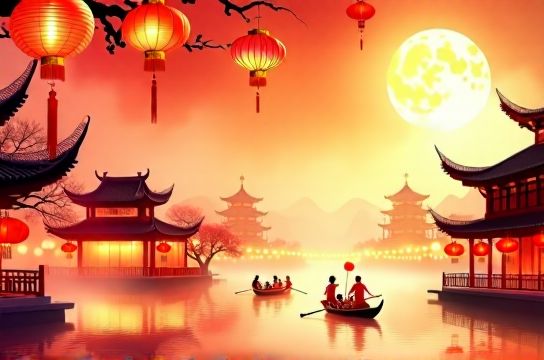
From the explosive joy of the Spring Festival to the poetic calm of the Mid-Autumn Festival, Chinese traditional holidays blend history, family, and symbolism into unforgettable experiences. And guess what? They’re more accessible than ever—whether you’re joining locals in Beijing or celebrating overseas.
Why Chinese Traditional Festivals Still Matter
In a fast-paced digital world, these festivals offer something rare: connection. According to China’s Ministry of Culture, over 85% of urban households actively participate in major traditional holidays. That’s not nostalgia—that’s culture in action.
Let’s break down some of the biggest celebrations and what makes them so special:
| Festival | Time of Year | Key Traditions | Symbolism |
|---|---|---|---|
| Spring Festival (Chinese New Year) | Late Jan – Mid FebRed envelopes, fireworks, reunion dinner | Renewal, luck, family unity | |
| Mid-Autumn Festival | September/October (full moon)Mooncakes, lanterns, family gatherings | Harmony, gratitude, togetherness | |
| Dragon Boat Festival | June (5th day of 5th lunar month)Racing long boats, eating zongzi | Honor of Qu Yuan, warding off evil | |
| Lantern Festival | 15th day of Lunar New YearLantern displays, riddles, tangyuan | Hope, enlightenment, new beginnings |
These numbers and traditions aren’t just pretty facts—they reflect how deeply rooted these events are in everyday life. For instance, during the 2023 Spring Festival, over 467 million travelers hit the roads and rails in China, making it the largest annual human migration on Earth. Talk about commitment!
More Than Just Holidays—They’re Identity
What keeps traditional festivals in China thriving? It’s simple: they adapt. Cities like Shanghai now host eco-friendly lantern festivals with LED lights, while apps let you send digital red packets to loved ones across continents. Tradition isn’t frozen—it evolves.
And it’s not just about fun. Many of these festivals are tied to agricultural cycles or historical legends. The Dragon Boat Festival, for example, honors Qu Yuan, a patriotic poet who drowned himself in protest. Today, the races symbolize the villagers’ attempt to rescue him. Powerful stuff.
Even food tells a story. Ever had zongzi? Those pyramid-shaped sticky rice bundles wrapped in bamboo leaves? They were originally tossed into rivers to keep fish from Qu Yuan’s body. Now, they come in flavors like salted egg yolk and red bean—delicious and meaningful.
How to Experience Them Like a Local
Want to dive in? Here’s how:
- Plan ahead: Book travel early—especially for Chinese New Year.
- Try the food: Join a mooncake tasting or make zongzi with a local family.
- Join community events: Many cities host public lantern light-ups or dragon boat races.
And don’t worry if you’re not in China. With over 50 million ethnic Chinese living abroad, festivals like the Mid-Autumn Festival are celebrated from San Francisco to Sydney. Culture knows no borders.
In the end, these festivals aren’t just about customs—they’re about people. About grandparents sharing stories, kids chasing lanterns, and families reuniting under the same moon. That’s the real magic.