
Short Video Apps and Chinese Cultural Expression
- Date:
- Views:274
- Source:The Silk Road Echo
In the fast-paced digital era, short video apps have exploded across China—and the world—reshaping how we consume content, express identity, and share culture. Platforms like Douyin (TikTok’s Chinese counterpart) and Kuaishou aren’t just entertainment hubs; they’ve become vibrant stages for Chinese cultural expression. From traditional calligraphy to folk dance, these apps are breathing new life into age-old traditions.
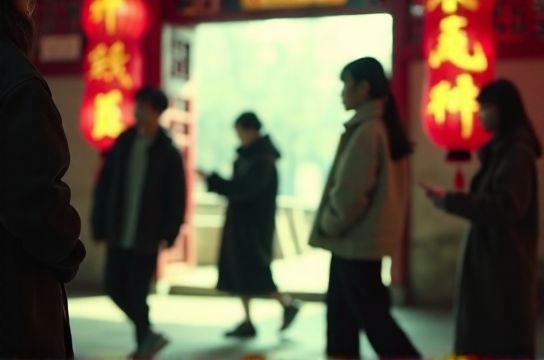
Take a moment to scroll through Douyin, and you’ll likely stumble upon a 15-second clip of a young woman in a hanfu dress twirling gracefully to guzheng music. Or perhaps a craftsman hand-carving intricate paper cuttings, each fold steeped in symbolism. These aren’t viral anomalies—they’re part of a broader cultural renaissance powered by mobile technology.
The Numbers Don’t Lie: Short Videos Go Mainstream
According to CNNIC (China Internet Network Information Center), as of 2023, over 980 million Chinese internet users watch short videos monthly—that’s nearly 70% of the population. Douyin alone boasts more than 700 million active users. But beyond sheer scale, it’s the content diversity that stands out.
| Platform | Monthly Active Users (2023) | Cultural Content Share | Average Watch Time (min/day) |
|---|---|---|---|
| Douyin | 720 million | 38% | 87 |
| Kuaishou | 650 million | 42% | 92 |
| Bilibili (shorts) | 300 million | 30% | 75 |
Notice something? Platforms like Kuaishou, known for its grassroots appeal, actually feature a higher percentage of cultural content. Why? Because rural artisans, local opera performers, and regional chefs now have a global stage—with zero gatekeepers.
From Niche to Now: How Tradition Went Viral
Remember when Peking Opera seemed destined for museum archives? Not anymore. Young performers are remixing classic arias with electronic beats, dressing in fusion costumes, and using hashtags like #Guochao (meaning 'national trend'). The result? A youth-driven revival. One Douyin user, @LiyangOpera, gained 2.3 million followers in under a year by teaching facial makeup symbolism in 60-second clips.
And it’s not just performance art. Traditional festivals like Mid-Autumn or Dragon Boat are now celebrated through viral challenges. In 2023, a Kuaishou campaign encouraged users to make homemade zongzi (sticky rice dumplings), generating over 1.2 million videos and boosting ingredient sales by 34%, per Alibaba’s data.
Authenticity Over Perfection
What makes these platforms so effective? They reward authenticity. Unlike polished TV productions, short videos thrive on raw, relatable moments. A farmer in Yunnan playing the hulusi (a bamboo flute) at sunset reaches millions not because it’s perfect—but because it’s real.
This democratization of storytelling empowers marginalized voices. Ethnic minorities like the Dong or Miao now showcase their languages, textiles, and rituals to audiences who might never have encountered them otherwise. It’s cultural preservation through participation.
The Road Ahead: Challenges & Opportunities
Of course, it’s not all smooth scrolling. Critics worry about oversimplification—can a 30-second clip truly honor centuries of heritage? And algorithmic bias may favor trendy over traditional. Yet, the net effect remains positive. As UNESCO notes, digital platforms are “vital tools” for intangible cultural heritage safeguarding.
Moving forward, partnerships between tech firms and cultural institutions could deepen impact. Imagine AR filters that teach brushstroke techniques or live-streamed temple fairs with expert commentary. The blend of innovation and tradition isn’t just possible—it’s already happening.
In the end, short video apps aren’t replacing Chinese culture—they’re redefining how it’s shared, seen, and sustained. And that’s a story worth watching.