
Chinese Internet Slang as a Mirror of Public Mood
- Date:
- Views:286
- Source:The Silk Road Echo
If you've ever scrolled through Chinese social media and felt like everyone was speaking a secret code, you're not alone. From neijuan (involution) to tangping (lying flat), internet slang in China isn’t just trendy—it’s a cultural barometer. These viral terms don’t just go viral for fun; they reflect deep societal shifts, frustrations, and even quiet rebellion.
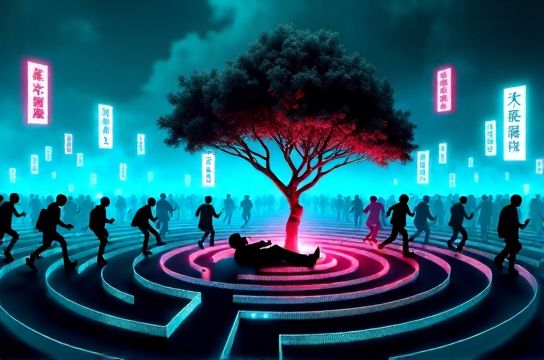
Take neijuan, for example. Originally an academic term, it now describes the exhausting rat race—working harder for no real gain. A 2023 survey by Peking University found that over 68% of urban white-collar workers under 35 identify with this term. Then there’s tangping, the anti-hustle response: choosing minimal effort to resist burnout. It blew up after a Reddit-style post went viral in 2021, sparking debates on state media.
But it’s not all doom and gloom. Slang like xiaofuqi (little husband energy) pokes fun at metrosexual men embracing soft masculinity, while baizihua (white trash aesthetic) reclaims class stigma with irony. These phrases aren’t just jokes—they’re social commentary wrapped in meme culture.
Here’s a quick look at how these terms evolved:
| Term | Literal Meaning | Social Context | Peak Popularity (Baidu Index) |
|---|---|---|---|
| 内卷 (Neijuan) | Involution | Workplace competition without reward | 14,200 (2022) |
| 躺平 (Tangping) | Lying Flat | Rejecting societal pressure | 9,800 (2021) |
| 小镇做题家 | Town Exam Taker | Grinding for success from small towns | 6,500 (2023) |
| 摆烂 (Bailan) | Embrace Rotting | Doing the bare minimum | 7,300 (2022) |
Why does this matter? Because language evolves fastest online, especially in tightly censored spaces. When direct criticism is risky, netizens get creative. As one Zhihu user put it: “We don’t protest—we pun.”
Platforms like Weibo and Douyin amplify these terms, but also attract scrutiny. Tangping was briefly shadow-banned after state outlets called it “pessimistic and defeatist.” Yet, the slang persists—proof that digital expression can’t be fully silenced.
So next time you hear a weird Chinese phrase trending, don’t just laugh—listen. Behind every meme is a mood, a message, and maybe, a movement.