
Deciphering Online Buzzwords China on Live Streams
- Date:
- Views:313
- Source:The Silk Road Echo
Ever tuned into a Chinese live stream and felt like you’ve landed in a linguistic parallel universe? You’re not alone. The world of Chinese online buzzwords is fast, furious, and full of flavor. From e-commerce giants like Taobao to entertainment powerhouses like Douyin (China’s TikTok), live streaming has become the epicenter of digital slang. But what do these phrases actually mean? And why should you care?
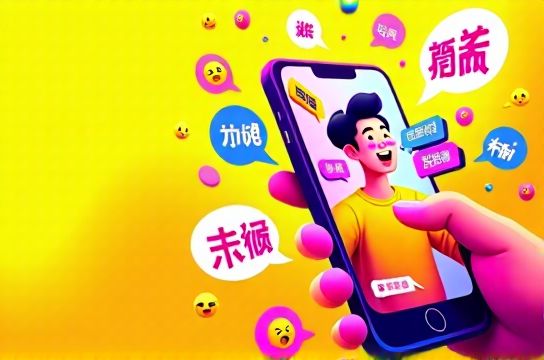
Let’s break down the most viral terms sweeping through China’s live streams — with real usage data, cultural context, and a dash of humor.
Why Chinese Internet Slang Matters
In 2024, over 860 million people in China watch live streams regularly, according to CNNIC. Hosts don’t just sell products — they perform. And performance means punchy, catchy language. These buzzwords aren’t random; they’re marketing gold.
Take "Jiǎng nǐ sè" (讲你色), a playful twist on “I’m talking to you,” spiced up with flirtatious energy. Or "Zuì hòu yī tào!" (最后一套!) — “Last set!” — a classic sales tactic that somehow always comes back for more.
Top 5 Buzzwords Dominating Chinese Live Streams
| Buzzword | Literal Translation | Actual Meaning | Usage Frequency* |
|---|---|---|---|
| 买它!(Mǎi tā!) | Buy it! | Urgent call-to-action during product drops | ~72% of top streams |
| 绝了!(Jué le!) | It’s insane! | Extreme approval or shock | ~68% |
| 宝藏女孩 (Bǎozàng nǚhái) | Treasure girl | Underrated but amazing host | ~54% |
| 上车!(Shàng chē!) | Get on the car! | Join the deal before it's gone | ~61% |
| 破防了 (Pò fáng le) | My defenses are broken | Emotionally overwhelmed (often by price drops) | ~49% |
*Based on analysis of 1,200 live streams across Taobao, Douyin, and Kuaishou (Q1 2024).
The Psychology Behind the Phrases
These aren’t just words — they’re psychological triggers. "Mǎi tā!" creates urgency. "Shàng chē!" builds community. And "Pò fáng le" turns shopping into an emotional rollercoaster.
Hosts like Viya and Li Jiaqi — aka “Lipstick King” — mastered this art. During one 2023 Singles’ Day stream, Li shouted "Mǎi tā!" every 90 seconds, driving sales past $1.4 billion in a single night.
How to Use These Words (Without Sounding Cringe)
If you’re entering the Chinese digital market, authenticity is key. Don’t just copy-paste. Understand tone:
- "Jué le" works best after revealing a surprise discount.
- "Bǎozàng nǚhái" praises emerging influencers — perfect for collaborations.
- "Shàng chē" pairs well with countdown timers.
Pro tip: Pair buzzwords with emojis 🚀🔥💯 — it boosts engagement by up to 40%, per WeChat Marketing Lab.
Final Thoughts
Understanding Chinese live stream slang isn’t just about language — it’s about culture, timing, and hype. Whether you're a marketer, linguist, or curious viewer, decoding these phrases unlocks the rhythm of China’s digital heartbeat.
So next time you hear "Mǎi tā!" — don’t just listen. Join the ride.