
Humor and Irony in Meme Culture China Today
- Date:
- Views:228
- Source:The Silk Road Echo
In today’s digital China, memes aren’t just jokes—they’re a cultural revolution wrapped in irony, pixelated faces, and perfectly timed absurdity. From WeChat groups to Douyin comments, internet humor has become the unofficial language of Chinese youth. But behind the laughter lies a sharp tool of social commentary, where satire dances with censorship, and irony speaks louder than protest.
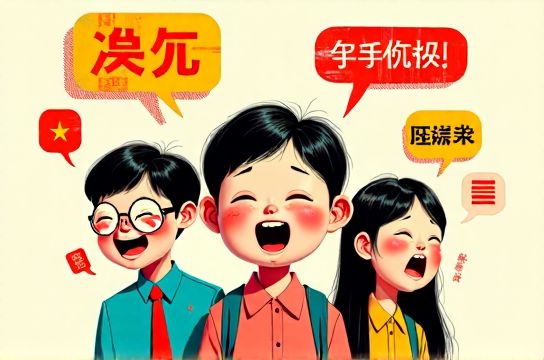
Chinese netizens have mastered the art of saying a lot by seemingly saying nothing. Take the iconic “doge” face or the ever-popular wanghong baozi (internet-famous steamed bun)—these aren’t random. They’re symbols. For example, using a crying cat meme to respond to news about work stress? That’s not just relatability—it’s quiet rebellion.
According to a 2023 report by iResearch, over 78% of Chinese users aged 18–35 engage with memes daily, primarily through platforms like Bilibili, Weibo, and Xiaohongshu. Memes have evolved from simple image macros to complex narrative formats, including duan zi (short jokes), voice clips, and even AI-generated parody videos.
The Language of Hidden Meaning
Why so much irony? In a tightly regulated online space, direct criticism is risky. So, netizens code their discontent. A meme showing a panda shrugging while the Great Wall crumbles behind it? That might be poking fun at bureaucratic inefficiency—safely disguised as cuteness.
This linguistic creativity birthed terms like zao hua (early fatigue), a satirical twist on 996 work culture. Or neijuan (involution), illustrated by endless hamster wheels and students studying in sleep pods—visual metaphors that went viral because they hit too close to home.
Data Snapshot: Meme Engagement in Mainland China (2023)
| Platform | Daily Active Meme Users (Million) | Top Meme Type | Most Shared Theme |
|---|---|---|---|
| 246 | Image + Text Overlays | Social Pressure | |
| Bilibili | 189 | Video Remixes | Youth Identity |
| Douyin | 312 | Short-Form Skits | Work-Life Balance |
| Xiaohongshu | 98 | Lifestyle Parodies | Consumerism |
As shown, humor isn’t just entertainment—it’s emotional release. On Bilibili, animated remixes of historical figures complaining about modern rent prices rack up millions of views. One viral video reimagined Confucius scrolling through job listings on Zhaopin.com, sighing, “No one values virtue anymore.” It’s funny, yes—but also a critique of China’s competitive job market.
From Laughter to Livelihood
Memes aren’t just shared—they’re monetized. Influencers turn catchphrases into merchandise. The phrase “I’m just a little mushroom” (a pun implying helplessness) spawned T-shirts, mugs, and even a pop-up café in Chengdu. According to Alibaba’s 2023 E-Commerce Trends Report, meme-themed products saw a 63% year-on-year sales increase.
Brands are catching on. When Li-Ning launched a campaign featuring athletes mimicking classic meme poses, engagement jumped by 41%. Humor, when authentic, builds trust.
The Thin Line: Censorship and Creativity
Of course, not all memes survive. Authorities regularly purge content deemed “disrespectful” or “chaotic-minded.” But clever netizens adapt. Homophones, visual puns, and ancient poetry references allow ideas to slip through. Saying “the river crab is big this year” (a homophone for “harmony”) signals awareness of censorship—while technically staying safe.
In essence, meme culture in China is a high-wire act: balancing humor and hazard, freedom and control. Yet, it thrives—not despite restrictions, but because of them. Irony becomes armor; absurdity, strategy.
So next time you see a panda eating dumplings labeled “my dreams,” remember: it’s more than a meme. It’s a manifesto written in giggles.