
Online Buzzwords China That Define Generational Gaps
- Date:
- Views:245
- Source:The Silk Road Echo
If you've ever scrolled through Chinese social media and felt like everyone was speaking a different language—congrats, you're not alone. From neijuan (内卷) to tang ping (躺平), China's internet slang isn't just trendy—it's a cultural thermometer measuring generational stress, ambition, and rebellion.
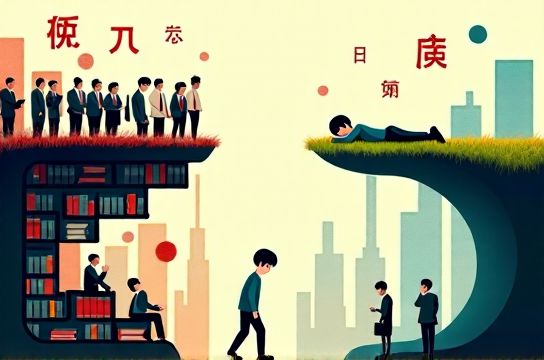
The Rise of Gen Z’s Digital Dialect
China's youth aren’t just using buzzwords—they’re weaponizing them. These terms capture complex emotions in just one or two syllables. Think of them as emotional hashtags with PhDs.
Let’s break down the top five viral terms that are dividing generations and dominating feeds:
| Buzzword | Literal Meaning | Cultural Context | Popularity Index* |
|---|---|---|---|
| 内卷 (Nèijuǎn) | Involution | Endless competition with no real progress—like studying 18 hours a day just to stay average. | 9.8/10 |
| 躺平 (Tǎngpíng) | Lying Flat | Rejecting societal pressure; choosing minimal effort over burnout. | 9.5/10 |
| 打工人 (Dǎgōng rén) | Working Joe | Sarcastic self-label for wage slaves; blends humor and despair. | 9.0/10 |
| 佛系 (Fóxì) | Buddha-like attitude | Chill, detached lifestyle—no goals, no stress, no drama. | 8.7/10 |
| 小镇做题家 (Xiǎozhèn zuòtímén) | Small-town test-taker | High-achievers from rural areas who hit a ceiling in big cities. | 8.5/10 |
*Based on Baidu Index, Weibo trends, and Zhihu discussion volume (2023–2024)
Why Older Generations Just Don’t Get It
Your average 50-year-old Chinese parent grew up chanting "Work hard, build the nation!" Meanwhile, Gen Z is replying with "Why?" These buzzwords aren’t just slang—they’re quiet rebellions.
Take neijuan. It started in academia but now describes any zero-sum grind—working late not to succeed, but because if you don’t, someone else will. It’s exhausting. And tang ping? That’s the nap after the marathon. A full-body “I quit” without quitting your job.
Parents see laziness. Kids see self-preservation.
The Humor Behind the Pain
What makes these terms stick is their dark humor. Calling yourself a dagong ren (worker bee) isn’t proud—it’s ironic. It’s like saying, “I’m a cog, and I know it, so let’s laugh before we cry.”
And Fo Xi? It’s not about enlightenment—it’s about opting out. No FOMO, no hustle porn, just peace. Imagine telling your boss you’re “Buddha-mode” today. They’d panic. But online? You’ll get 10K likes.
From Meme to Movement
These words started online but bled into real life. Tang Ping sparked state media concern. Neijuan is now used in policy debates. They’re not fleeting memes—they’re symptoms of a generation redefining success.
In a country where hard work was sacred, saying “I’d rather do nothing” is revolutionary. And yes, the government notices. Some terms get censored. Others get twisted. But they keep coming back—because the pressure hasn’t gone away.
So What’s Next?
Language evolves fastest under stress. As long as young Chinese face sky-high housing costs, competitive job markets, and fading dreams of upward mobility, new buzzwords will emerge. Maybe the next one will be runping (润平)—quietly leaving the country and lying flat abroad.
One thing’s clear: these aren’t just words. They’re whispers of change, typed one emoji at a time.