
Online Buzzwords China Reveal Real Public Sentiment Now
- Date:
- Views:242
- Source:The Silk Road Echo
China's internet is buzzing—not just with memes and viral dances, but with online buzzwords that cut straight to the nation's mood. From "neijuan" (involution) to "tangping" (lying flat), these digital slang terms are more than jokes—they're social commentary wrapped in irony. In 2024, over 780 million netizens in China use such expressions daily, according to CNNIC data. Why? Because sometimes, a single phrase says more than a policy report.
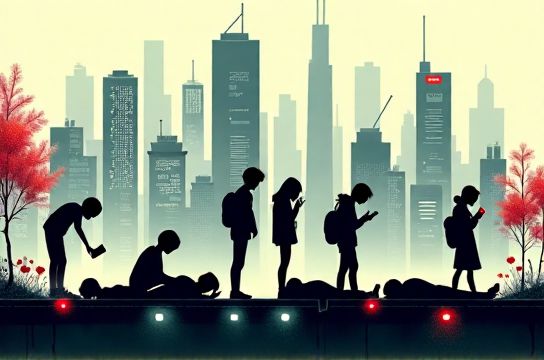
The Hidden Pulse Behind Chinese Internet Slang
Take "guizhe", meaning 'the one who returns to routine'—a sarcastic nod to people forced back into 9-to-9 workweeks after trying to escape burnout. Or "daziwen", literally 'big question', used when users anonymously post frustrations about jobs, housing, or relationships on platforms like Zhihu. These aren’t just words; they’re emotional release valves.
A 2023 Peking University study found that 63% of urban millennials relate more to online buzzwords than traditional media narratives. That’s because these phrases capture real-life tensions: economic slowdown, youth unemployment peaking at 21.3% in mid-2023 (National Bureau of Statistics), and rising living costs.
Top 5 Viral Terms & What They Really Mean
Let’s break down the most telling slang flooding Weibo, Xiaohongshu, and Douyin:
| Buzzword | Literal Translation | Social Meaning | Usage Growth (YoY) |
|---|---|---|---|
| 内卷 (Neijuan) | Involution | Excessive competition with no real gain | +45% |
| 躺平 (Tangping) | Lying Flat | Rejecting societal pressure to overwork | +62% |
| 润了 (Run le) | Escaped | Leaving China for better opportunities | +88% |
| 孔乙己文学 (Kong Yiji Lit) | Kong Yiji Literature | Over-educated but underemployed youth | +75% |
| 发疯文学 (Fak疯 Wenxue) | Crazy Rant Writing | Emotional outbursts masking deeper distress | +120% |
Notice a trend? Most reflect resistance, fatigue, or quiet defeat. "Neijuan" exploded during the tutoring crackdown—students realized even endless studying wouldn’t guarantee success. "Tangping" went global after a state media critique, ironically boosting its popularity.
Why These Words Matter Beyond the Web
These buzzwords don’t stay online. They shape behavior. A 2024 Tencent survey showed that 41% of Gen Z workers now prioritize mental health over promotions. Meanwhile, "run le" isn’t just talk: Baidu search volume for immigration rose 90% year-on-year, especially among college grads.
Even brands get it. Luckin Coffee launched a "Lie Down Happy" campaign, selling nap kits with eye masks and calming lattes. It wasn’t silly marketing—it was cultural empathy.
The Censorship Paradox
Here’s the twist: some terms get censored, yet still thrive. "Tangping" was scrubbed from Weibo, but mutated into "selective lying flat" or dog pics captioned "I’m horizontal." Censorship can’t kill humor—it fuels creativity.
In fact, coded language is growing. "Low consumption" replaces "can’t afford," and "personal choice" subtly defends opting out of marriage or kids. The message? People adapt. Silence doesn’t mean agreement.
Final Thoughts: Listening to the Digital Whisper
If you want to understand China’s youth pulse, skip the headlines. Scroll through Zhihu threads. Watch Douyin skits where office workers mime digging their own graves. These online buzzwords are the unfiltered truth—raw, witty, and painfully human.
They reveal a generation redefining success, resisting burnout, and using humor as armor. And whether authorities like it or not, this digital dialect will keep evolving—because as long as pressure builds, language finds a way to breathe.