
Experience the Heart of China Local Lifestyle and Tea
- Date:
- Views:289
- Source:The Silk Road Echo
Want to skip the tourist traps and feel the real pulse of China? Forget neon-lit skyscrapers and crowded landmarks for a second. The soul of China isn’t in its megacities—it’s in the misty mountains, quiet village lanes, and the gentle steam rising from a handmade clay teapot.
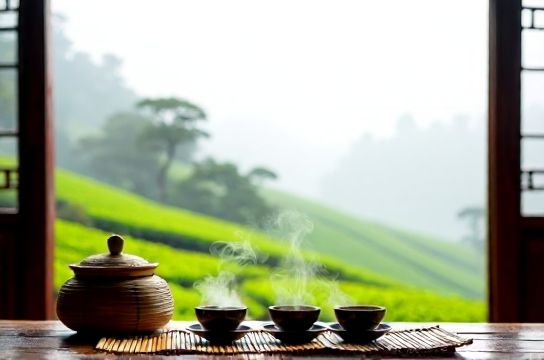
If you're craving authenticity, dive into China’s local lifestyle through its most cherished ritual: tea. More than just a drink, tea is a philosophy, a social bond, and a daily meditation practiced by millions.
The Rhythm of Daily Life: Tea as a Way of Living
In places like Hangzhou, Fujian, or Yunnan, mornings begin not with coffee, but with the soft whistle of a boiling kettle. Families gather around low wooden tables, sipping slowly, talking lightly. It’s not about rushing—it’s about presence.
Teahouses are community hubs. In Chengdu, locals play mahjong for hours over endless pots of congou black tea. In Suzhou, scholars sip Bi Luo Chun while listening to soft pipa music in garden pavilions. These aren’t performances for tourists—they’re living traditions.
Tea Regions & Their Signature Brews
China’s vast geography shapes its tea culture. Each region has its own climate, soil, and centuries-old techniques. Here’s a quick guide to the top tea-producing areas and what makes them special:
| Region | Tea Type | Flavor Profile | Best Time to Visit |
|---|---|---|---|
| Hangzhou, Zhejiang | Longjing (Dragon Well) Green Tea | Grassy, nutty, smooth | March–April (spring harvest) |
| Anxi, Fujian | Tieguanyin Oolong | Floral, creamy, slightly roasted | April–May & October |
| Xishuangbanna, Yunnan | Pu’er (fermented tea) | Earthy, woody, complex | Year-round, peak in spring |
| Suzhou, Jiangsu | Bi Luo Chun Green Tea | Fruity, floral, delicate | March–April |
Pro tip: Plan your trip around harvest seasons. You can join tea-picking tours, learn roasting techniques from local farmers, and even press your own pu’er cake!
How to Drink Tea Like a Local
Tourists order tea like coffee—quick and to-go. But in China, it’s an art form. Here’s how to blend in:
- Gongfu Cha: This “tea with skill” method uses small clay pots (Yixing), multiple short steeps, and emphasizes aroma and aftertaste.
- Knuckle Tap: When someone pours you tea, tap the table twice with two fingers. It’s a silent “thank you”—a tradition dating back to Emperor Qianlong!
- No Ice, No Sugar: Chinese tea is enjoyed pure. Don’t ask for extras—locals see it as masking the tea’s true character.
Why This Experience Matters
In a world of fast travel and Instagram checklists, sharing tea with a local family in a bamboo hut offers something rare: connection. You’re not just tasting flavors—you’re absorbing centuries of wisdom, patience, and harmony.
As one old tea master in Fujian told me: “Tea doesn’t change people. It reveals them.”
So slow down. Sit. Sip. Let China’s heartbeat sync with yours—one cup at a time.