
The Rise of Short Video Platforms and Tourism Hype
- Date:
- Views:243
- Source:The Silk Road Echo
Remember when travel dreams were fueled by glossy brochures and National Geographic specials? Well, times have changed. Today, a 15-second clip on TikTok or Douyin can send thousands flocking to a once-quiet village in Yunnan or a hidden beach in Hainan. Welcome to the era where short video platforms are not just shaping pop culture—they’re reshaping global tourism.
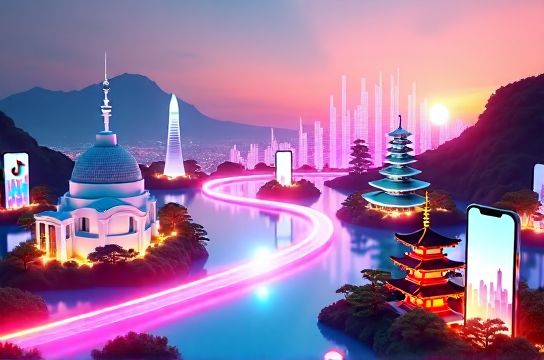
How 15 Seconds Can Spark a Tourism Boom
It’s wild, really. A local vendor selling rainbow-colored ice cream in Dali? Goes viral. A misty sunrise filmed from a bamboo raft in Yangshuo? Shared 2 million times. Suddenly, these places aren’t just destinations—they’re experiences, and everyone wants their slice.
According to a 2023 report by China Internet Network Information Center (CNNIC), over 68% of young travelers (ages 18–35) said they chose their last trip based on short videos they saw online. That’s more than recommendations from friends or traditional ads.
The Numbers Don’t Lie: Viral = Visitors
Let’s talk data. When a rural village in Guizhou appeared in a trending Douyin dance challenge, its monthly visitors jumped from 8,000 to over 140,000 in just two months. Hotels? Booked out for weeks. Local income? Up 300%.
| Destination | Pre-Viral Monthly Visitors | Post-Viral Monthly Visitors | Revenue Increase |
|---|---|---|---|
| Dali, Yunnan | 45,000 | 210,000 | 280% |
| Chengdu, Sichuan (Panda Base) | 90,000 | 380,000 | 322% |
| Zhangjiajie, Hunan | 67,000 | 250,000 | 273% |
This isn’t just about views—it’s about economic transformation. Small towns are getting a second life thanks to creators with smartphones and a sense of wonder.
The Algorithm Is the New Tour Guide
Think about it: Instagram used to be about polished photos. Now, TikTok and Kuaishou thrive on raw, real moments. A shaky cam shot of street noodles sizzling on a grill? That’s gold. Why? Because it feels authentic. And authenticity sells.
Platforms use smart algorithms to push content that sparks emotion—awe, curiosity, FOMO (fear of missing out). If you linger on a video of a cliffside temple in Fujian for more than 3 seconds? Boom. Your feed is now full of similar travel clips. The algorithm doesn’t just suggest trips—it practically plans them for you.
But It’s Not All Sunshine and Selfies
Here’s the flip side: overtourism. Some spots weren’t built for crowds. Ancient pathways erode. Local cultures get commodified. In one case, a sacred ritual in Yunnan was turned into a daily performance just for videos—angering elders and diluting tradition.
Experts warn that without sustainable planning, this hype cycle could backfire. As travel blogger Mei Lin put it: “We went from ‘don’t touch anything’ to ‘everyone, come film it’ way too fast.”
So, How Should You Ride This Wave?
- Travel off-peak: Skip the weekend rush. Visit viral spots early morning or during shoulder seasons.
- Respect local rules: No flash near temples. No stepping on cultural artifacts for the ‘gram.
- Support real communities: Buy from family-run shops, not pop-up souvenir stalls.
And creators? Please tag locations responsibly. Maybe add a note: “Please keep quiet—this is someone’s home.”
The Future: Co-Created Travel
We’re moving toward a world where tourists and locals co-create the travel narrative. Governments are catching on too—several provinces in China now partner with influencers to promote lesser-known areas, spreading the benefits beyond just one hotspot.
In the end, short videos haven’t just changed how we see the world. They’ve changed who gets to tell its stories. And if we play it right? That’s a trend worth sharing.