
Uncover Chinese Cultural Experiences at Hidden UNESCO Sites China
- Date:
- Views:244
- Source:The Silk Road Echo
Think you know China? Think again. Beyond the Great Wall and Forbidden City lies a treasure trove of hidden UNESCO World Heritage Sites where ancient traditions still breathe through cobblestone alleys, misty mountain temples, and centuries-old village life. These off-the-radar gems offer not just history—but real cultural immersion for travelers craving authenticity over crowds.
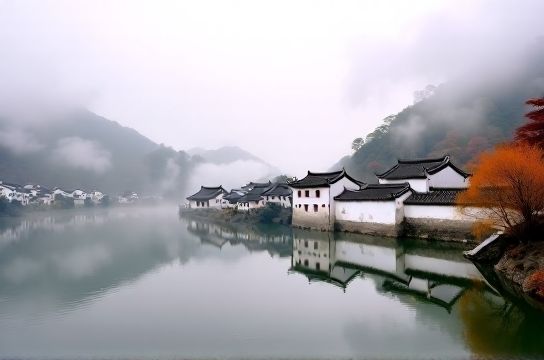
Take Hongcun, a 900-year-old village in Anhui Province. Nestled among bamboo groves and lotus ponds, this Huizhou-style settlement looks like a living ink painting. With fewer than 200,000 annual visitors (compared to over 10 million at the Forbidden City), it’s a sanctuary of slow travel. Locals still practice ancestral rites, and morning fog rolls over moon-shaped lakes like whispers from the past.
Then there’s Tusi Sites in Hubei, Hunan, and Guizhou—three scattered strongholds of the Tusi chieftain system that ruled southwest China from the 13th to 20th century. The Laosicheng Ruins alone span 25 hectares and reveal how indigenous土司 cultures blended with imperial China. It’s history you can walk through—literally.
For spiritual depth, head to Koguryo Tombs in Ji’an, Jilin. Though lesser-known, these 3rd-century burial mounds contain stunning frescoes depicting daily life, mythology, and celestial dreams. Only 8% of foreign tourists visiting China make it here—but those who do call it "the Dunhuang of the northeast."
Want numbers? Here’s a quick snapshot:
| Site | Location | Year Inscribed | Avg. Annual Visitors | Cultural Highlight |
|---|---|---|---|---|
| Hongcun Village | Anhui | 2000 | 180,000 | Yuan Dynasty water system & feng shui layout |
| Tusi Sites | Hubei/Hunan/Guizhou | 2015 | 120,000 | Autonomous ethnic governance legacy |
| Koguryo Tombs | Ji'an, Jilin | 2004 | 65,000 | Ancient Korean-Chinese mural art |
| Fujian Tulou | Fujian | 2008 | 300,000 | Hakka communal living architecture |
Why go beyond the obvious? Because real cultural experiences aren’t staged—they’re lived. In Fujian’s Tulou, circular earthen towers housing entire clans, you can share tea with Hakka elders who’ve lived there for generations. No tour groups, no scripts—just stories passed down like heirlooms.
These sites aren’t just preserved—they’re inhabited. That’s what makes them magical. And yes, they’re easier to access than you think. High-speed rail now connects major hubs to secondary cities like Changde (gateway to Tusi) and Longyan (near Tulou clusters).
So skip the selfie lines. Trade noise for nuance. Visit when mornings are quiet, locals smile first, and heritage isn’t a museum piece—it’s a way of life. That’s the real China.