
From Kuaishou to Travel Shopping How Short Videos Drive China's Digital Culture
- Date:
- Views:278
- Source:The Silk Road Echo
In the fast-paced digital era, short video platforms like Kuaishou have transformed from simple entertainment apps into powerful engines driving consumer behavior — especially in travel and shopping. With over 600 million daily active users, Kuaishou isn't just about viral dances or comedy skits anymore. It’s reshaping how Chinese consumers discover destinations, make purchases, and experience culture — all through a 60-second clip.
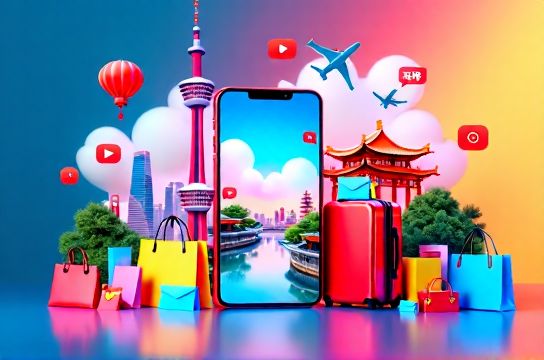
The Rise of ‘See It, Want It, Buy It’ Culture
Gone are the days when travelers relied solely on guidebooks or TripAdvisor. Now, a farmer in rural Yunnan can go live while harvesting organic tea, and within hours, viewers across Shanghai and Shenzhen are tapping ‘Buy Now’. This seamless blend of content and commerce — known as content-to-conversion — is at the heart of Kuaishou’s success.
Data shows that over 70% of Kuaishou users have made a purchase after watching a live-streamed product demo. When it comes to travel, influencers (or ‘KOLs’) share real-time experiences — hiking Zhangjiajie’s glass bridges, tasting street food in Chengdu, or staying at boutique desert glamps in Dunhuang. These aren’t polished ads; they’re raw, authentic, and relatable.
Short Videos Meet Smart Tourism
Cities and tourism boards have caught on. In 2023, the Xi’an Cultural Tourism Bureau partnered with Kuaishou to launch #VisitXiAnLive, generating 1.2 billion views and boosting local hotel bookings by 45% during Lunar New Year.
What makes this model so effective? It’s trust. Unlike traditional advertising, Kuaishou creators often come from smaller cities or rural areas, giving them credibility among tier-2 to tier-4 city audiences — a demographic often overlooked by mainstream media.
| Metric | Kuaishou (2023) | Industry Average |
|---|---|---|
| Daily Active Users (DAU) | 610 million | — |
| % Users Who Shop via Live Streams | 72% | 58% (on other platforms) |
| Avg. Time Spent per Day | 110 minutes | 85 minutes |
| GMV of Travel-Related Sales (2023) | $9.8 billion | — |
From Screen to Suitcase: The Journey of a Digital Nomad
Meet Li Na, a 28-year-old office worker from Guangzhou. She planned her entire Yunnan trip using Kuaishou — from finding budget homestays to booking local cooking classes. “I followed a creator named TravelWithMe_Ella for three months,” she says. “Her videos felt real — no filters, just honest reviews. I even ate at the same noodle stall she did in Lijiang.”
This emotional connection is key. Platforms like Kuaishou don’t just sell products; they sell stories, dreams, and identities. And brands are jumping in — airlines, hotel chains, and even national parks now run targeted campaigns tailored to Kuaishou’s community-first vibe.
Why This Matters for Global Brands
If you're eyeing the Chinese market, ignoring short-video influence is a mistake. But it’s not enough to post polished ads. Success lies in authenticity, localization, and engagement. Partner with micro-influencers, showcase real experiences, and let your audience feel part of the journey.
As Kuaishou continues to blur the lines between entertainment, e-commerce, and travel, one thing is clear: the future of digital culture in China isn’t just short — it’s smart, social, and shoppable.