
Best UNESCO Sites China Showcasing Chinese Traditions
- Date:
- Views:213
- Source:The Silk Road Echo
If you're craving a deep dive into China's soul—not just its skyline—then the UNESCO World Heritage Sites are your golden ticket. These aren't just old buildings or scenic hills; they're living testaments to centuries of philosophy, craftsmanship, and cultural harmony. From imperial palaces to sacred mountains, let’s explore the best UNESCO sites in China that truly showcase authentic Chinese traditions.
Why UNESCO Sites Matter in China
China boasts 57 UNESCO World Heritage Sites—the second-highest globally—ranging from natural wonders to cultural landmarks. But beyond the numbers, these places preserve the heartbeat of Chinese civilization: Confucian ideals, Daoist balance, Buddhist devotion, and imperial grandeur.
Top 5 UNESCO Sites That Capture Chinese Tradition
1. The Forbidden City, Beijing (1987)
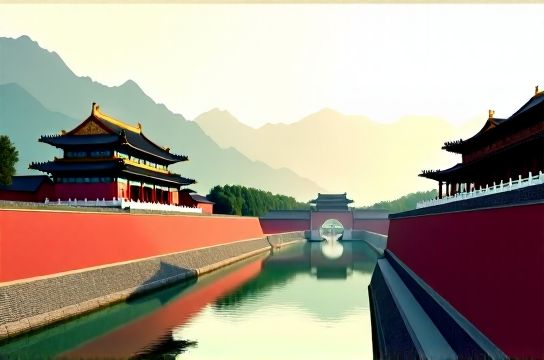
The ultimate symbol of imperial power, this 180-acre palace complex housed 24 emperors over nearly 500 years. Built during the Ming Dynasty, its symmetrical layout reflects feng shui principles and cosmic order. Every beam, color, and dragon carving whispers ancient etiquette and hierarchy.
2. Temple of Confucius, Qufu (1994)
As the birthplace of Confucius, Qufu is ground zero for understanding Chinese ethics. The temple, cemetery, and Kong family mansion together form a cultural trinity dedicated to ren (benevolence) and filial piety—values still shaping modern Chinese society.
3. Mount Tai, Shandong (1987)
For over 3,000 years, emperors climbed this sacred peak to perform fengshan rituals, aligning heaven and earth. Today, pilgrims still hike at dawn to catch the sunrise—a spiritual tradition echoing Daoist reverence for nature.
4. Leshan Giant Buddha, Sichuan (1996)
Carved into a cliff face during the Tang Dynasty, this 71-meter-tall Buddha overlooks three converging rivers. More than a statue, it’s a masterpiece of Buddhist engineering and devotion, designed to calm turbulent waters with spiritual energy.
5. Old Town of Lijiang, Yunnan (1997)
Home to the Naxi people, Lijiang blends Han, Tibetan, and Bai influences. Its cobbled streets, wooden homes, and ancient Dongba script reveal a culture where music, matriarchy, and nature worship thrive.
Quick Guide: Must-Visit UNESCO Cultural Sites
| Site | Year Listed | Province | Cultural Significance |
|---|---|---|---|
| Forbidden City | 1987 | Beijing | Imperial architecture & Ming-Qing court life |
| Temple of Confucius | 1994 | Shandong | Birthplace of Confucian philosophy |
| Mount Tai | 1987 | Shandong | Sacred mountain rituals & Daoist heritage |
| Leshan Giant Buddha | 1996 | Sichuan | Buddhist art & hydraulic design |
| Old Town of Lijiang | 1997 | Yunnan | Naxi ethnic culture & ancient urban planning |
Travel Tips for an Authentic Experience
- Go early: Beat crowds and catch morning light, especially at Mount Tai or Lijiang.
- Hire local guides: Many sites offer storytellers who bring history to life.
- Respect rituals: Whether bowing at Confucius’ tomb or walking clockwise around stupas, follow local customs.
These UNESCO gems aren’t just tourist stops—they’re windows into China’s enduring spirit. Whether you're tracing philosopher footsteps or marveling at ancient engineering, you're not just visiting history. You're feeling it.