
Decoding Online Buzzwords China Behind the Memes and Hashtags
- Date:
- Views:284
- Source:The Silk Road Echo
Ever scrolled through Chinese social media and felt like everyone’s speaking a secret code? You’re not alone. From neijuan to tang ping, China’s internet is buzzing with slang that’s equal parts hilarious, sarcastic, and deeply revealing. These aren’t just memes—they’re cultural snapshots of a generation under pressure. Let’s dive into the wild world of Chinese online buzzwords and decode what they really mean.
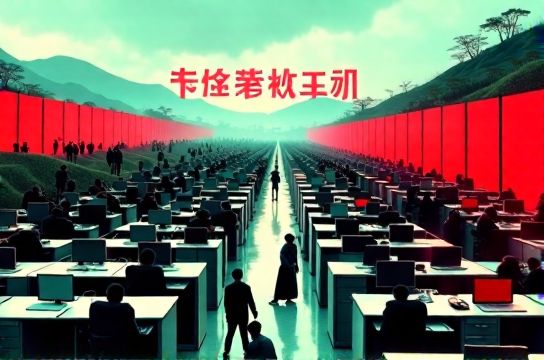
What Are Chinese Internet Buzzwords?
In China, where censorship shapes public discourse, netizens have mastered the art of coded language. Slang, puns, and memes let people express frustration, humor, and rebellion—without getting flagged. These terms often go viral on platforms like Weibo, Douyin, and Xiaohongshu, spreading faster than official narratives.
Top 5 Viral Buzzwords & Their Real Meaning
Here’s a breakdown of the most talked-about terms shaping digital culture in China today:
| Buzzword | Literal Translation | Actual Meaning | Origin / Context |
|---|---|---|---|
| 内卷 (Nèijuǎn) | Involution | Excessive competition leading to burnout | Academic & workplace over-effort with no real gain |
| 躺平 (Tǎng Píng) | Lying Flat | Rejecting societal pressure to hustle | Response to neijuan; choosing minimalism over stress |
| 打工人 (Dǎgōng Ré) | Working Dog | Sarcastic term for overworked employees | Viral meme mocking corporate grind |
| 社死 (Shè Sǐ) | Social Death | Extreme embarrassment in public | Used when someone cringes hard online or IRL |
| 破防 (Pò Fáng) | Defense Broken | Emotionally overwhelmed | From gaming lingo; now used for emotional meltdowns |
Why Do These Words Matter?
These aren’t just jokes—they reflect real social tension. Take lying flat. It started as a quiet protest against China’s 996 work culture (9 AM–9 PM, 6 days a week). A 2022 survey by Zhaopin found that 64% of young workers feel burned out, and many now embrace minimal lifestyles to escape the rat race.
Meanwhile, neijuan exploded during exam season, symbolizing how students study longer hours just to stay competitive—without actually getting ahead. It’s like running on a treadmill: exhausting, but going nowhere.
The Censorship Game
Here’s the twist: some terms get censored fast. In 2021, posts about tang ping were scrubbed from Weibo after a viral essay criticized endless labor. But netizens adapt—using homophones, emojis, or misspellings like “tangping” → “tp” to dodge filters.
This cat-and-mouse game shows how digital language evolves under pressure. As one user joked: “If you can’t say it straight, say it sideways.”
Cultural Impact Beyond China
These terms are going global. Lying flat inspired similar movements in South Korea (“ggumjil”) and the U.S. (“quiet quitting”). Even Western media now references neijuan when discussing hustle culture.
Brands are paying attention too. Companies like Li-Ning and Perfect Diary use these slang terms in ads to connect with youth. It’s risky—but when done right, it feels authentic.
Final Thoughts
Chinese internet slang is more than viral fun. It’s a survival toolkit—a way for young people to laugh, resist, and bond in a high-pressure society. Every buzzword tells a story: of fatigue, defiance, and the search for meaning in a hyper-competitive world.
So next time you see “社死” or “破防,” don’t just laugh. Listen. There’s a whole generation speaking between the lines.