
Decoding Chinese Buzzwords From Short Videos and Humor
- Date:
- Views:248
- Source:The Silk Road Echo
If you've ever scrolled through Douyin (China's TikTok) or watched a Bilibili skit, you’ve probably stumbled upon phrases like 'XSWL' or 'ZQSG' — cryptic at first, but bursting with cultural flavor. These aren’t random letters; they’re the heartbeat of modern Chinese internet slang. Let’s dive into the wild world of Chinese buzzwords born from short videos and humor, where memes meet meaning and brevity is king.
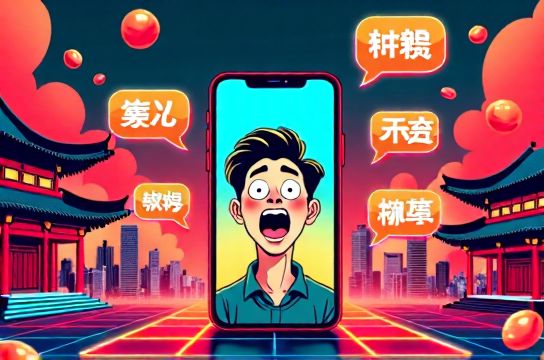
Why Are These Buzzwords So Popular?
In China’s fast-paced digital landscape, attention spans are short, and creativity is high. Netizens compress emotions, sarcasm, and inside jokes into acronyms, puns, and homophones. Platforms like Douyin, Kuaishou, and Weibo amplify these expressions, turning niche jokes into nationwide trends overnight.
Take 'YYDS' (永远的神 – 'eternal god'), once used to praise athletes, now slapped on everything from bubble tea to pet cats. Or 'Jue Jue Zi' (绝绝子), meaning “amazing,” popularized by food vloggers with exaggerated reactions. These words thrive because they’re fun, fast, and full of attitude.
Top 5 Must-Know Chinese Internet Buzzwords in 2024
Here’s a cheat sheet for decoding the chaos:
| Buzzword | Literal Meaning | Cultural Context | Usage Example |
|---|---|---|---|
| YYDS (永远的神) | Eternal God | Praise for excellence; overused ironically | "That new phone? YYDS!" |
| XSWL (笑死我了) | Laughed to death | Response to something hilarious | "Your meme made me XSWL!" |
| ZQSG (真情实感) | True feelings | Sincere emotional engagement | "I watched that drama with ZQSG." |
| Tai Guang Gun! | Too embarrassing! | Reaction to cringe content | "His dance move? Tai guang gun!" |
| Nei Juan (内卷) | Involution | Social burnout from over-competition | "Working 80 hours a week? Classic nei juan." |
The Humor Behind the Hype
Chinese netizens don’t just communicate — they perform. Sarcasm, exaggeration, and self-deprecation dominate. For example, calling yourself 'shei' (废柴 – useless vegetable) after failing an exam isn’t just humility; it’s a shared coping mechanism wrapped in humor.
Short video comedians like Jia Ling or anonymous skit creators use these terms daily, blending satire with relatability. A simple phrase like 'Wo Tai Nan Le' (我太难了 – I’m too difficult) became a viral lament during pandemic lockdowns, symbolizing collective struggle with a comedic twist.
From Meme to Mainstream
Some buzzwords even escape the internet. 'Nei Juan' is now discussed in academic papers and policy debates about youth mental health. Brands jump on trends too — beverage company Yuanqi Forest used 'Zhen Zhen Zhen' (真真真, short for 真实 – real) in ads to appeal to Gen Z’s love for authenticity.
But beware: context is everything. Using 'XSWL' in a formal email? Not advisable. These terms shine in casual, digital spaces where tone is playful and audience is in the know.
Final Thoughts
Understanding Chinese internet slang isn’t just about language — it’s about culture. Each buzzword captures a mood, a moment, or a movement. Whether you're learning Mandarin, marketing to Chinese youth, or just curious, cracking this code opens a door to the soul of online China.
So next time you see '996' or 'Tang Ping' (lying flat), remember: it’s not just slang. It’s society speaking in shorthand.