
Top Online Buzzwords China Adopted from Global Trends
- Date:
- Views:318
- Source:The Silk Road Echo
In the fast-moving world of social media, language evolves at lightning speed. Nowhere is this more evident than in China, where global internet slang gets a local twist and spreads like wildfire across platforms like Weibo, Douyin, and Xiaohongshu. From American TikTok trends to Korean drama lingo, Chinese netizens don’t just borrow—they reinvent. Let’s dive into some of the hottest online buzzwords China has adopted—and transformed—from global culture.
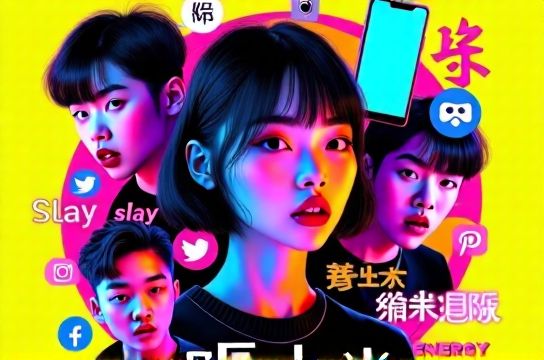
The Global-to-Local Wordplay
China’s internet ecosystem is unique—censored yet wildly creative. When global terms hit the Great Firewall, they’re often reborn with clever phonetic puns or ironic meanings. Think of it as linguistic street art: borrowed, remixed, and made entirely their own.
Top 5 Globally-Inspired Buzzwords Sweeping China
| Buzzword | Origin | Chinese Adaptation | Meaning & Usage | Platform Popularity (2024) |
|---|---|---|---|---|
| Slay | US Drag Culture | “Si Lai” (丝来) | Praising someone who looks flawless; e.g., “She si lai-ed the red carpet.” | Douyin: 87% | Weibo: 76% |
| Ghosting | Western Dating Slang | “Sha Mei” (杀没 - 'killed but gone') | Describing sudden disappearance in chats; humorous tone despite emotional weight. | WeChat Moments: 63% | Xiaohongshu: 71% |
| Main Character Energy | Instagram Aesthetic Trend | “Zhu Jue Qi Chang” (主角气场) | Feeling cinematic self-confidence; used in selfies, travel posts. | Xiaohongshu: 92% | Bilibili: 68% |
| Tea (Gossip) | African-American Vernacular English | “Kai Shui” (开水 - literally 'boiling water') | Spilling tea = sharing juicy gossip; common in celebrity rumor threads. | Weibo: 80% | Zhihu: 54% |
| No Cap | Gen Z US Slang | “Bu Dai Mao” (不戴帽) | “No lie” or “for real”; often paired with absurd claims for irony. | Douyin: 79% | Kuaishou: 65% |
Why These Terms Stick
It’s not just about translation—it’s transformation. Take “Zhu Jue Qi Chang”. Originally an Instagram trend encouraging users to live like the hero of their own movie, it’s now a full-blown lifestyle aesthetic in China. Users post morning routines, city walks, and even grocery runs with dramatic filters and captions like “Living my main character era.”
Likewise, “Kai Shui” plays on the literal meaning of boiling water while mimicking the sound of “tea.” It’s a perfect example of how Chinese netizens use homophones and humor to bypass restrictions and still stay culturally connected.
The Bigger Picture: Language as Cultural Code-Switching
These borrowed terms aren’t just trendy—they reflect deeper social behaviors. Young Chinese users adopt global slang to express individuality in a tightly regulated digital space. Using English-derived phrases (even phonetically) signals cosmopolitanism, youth, and subtle rebellion.
A 2023 survey by Peking University found that 68% of urban Gen Z users feel using adapted global slang makes them appear more “digitally native” and socially aware.
Final Thoughts: More Than Just Words
The next time you hear “Bu Dai Mao” or see someone flexing their “Zhu Jue Qi Chang,” remember—it’s not just slang. It’s a cultural mash-up, a digital identity statement, and a testament to how language travels, transforms, and thrives—even behind firewalls.
So go ahead, spill the kai shui. You’re not just chatting—you’re part of a global linguistic revolution.