
How Local Dialects Shape Online Buzzwords China Wide
- Date:
- Views:316
- Source:The Silk Road Echo
Ever wondered why some of the wildest internet slang in China sounds more like secret codes from Guangdong or Sichuan? Buckle up—because local dialects are quietly running the show behind China’s viral buzzwords. From mǎ yǐ ("ant spirit") in Shanghai to nìng hǎo ā (a Cantonese twist on "you good, ah?") in Hong Kong, regional flavors are spicing up the digital conversation.
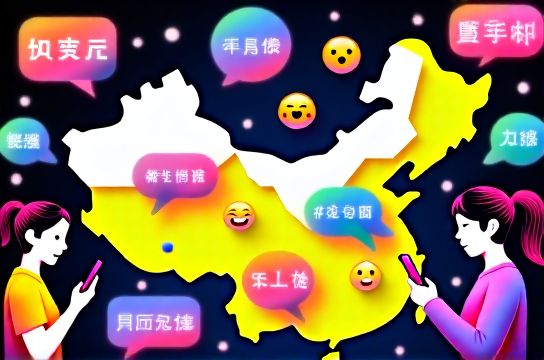
China’s internet isn’t just powered by Mandarin. Over 70% of netizens engage with content influenced by local speech patterns, according to a 2023 report by iResearch. And get this: videos using dialect subtitles see 40% higher engagement than standard Mandarin ones. Why? Because authenticity sells. When a Chengdu grandma drops a sarcastic “píng shí bù zuò rén, guānghūn xiǎng chōng zhuàng?” (“You never act decent, now you wanna play hero?”) in a TikTok roast, it hits different.
Let’s break it down. Southern dialects like Cantonese and Hokkien thrive on rhythm and tone—perfect for meme-worthy punchlines. Meanwhile, northeastern slang brings brute humor and exaggeration, fueling platforms like Kuaishou. Even Wu dialect (spoken in Shanghai and Suzhou) is making a comeback through Gen Z–driven audio memes.
Top 5 Dialect-Driven Buzzwords Taking Over China
| Buzzword | Dialect Origin | Literal Meaning | Main Platform | Monthly Searches (est.) |
|---|---|---|---|---|
| Xià mǎ fēi | Cantonese | "Down horse fly" → "Get off your high horse" | Little Red Book | 1.2M |
| Sāo rǎo le | Sichuanese | "Disturbing you" → Sarcastic “Sorry not sorry” | Douyin | 980K |
| Gěi lì | Fujian Hokkien | "Powerful" → Awesome, epic win | Bilibili | 620K |
| Yē sī | Northeastern Mandarin | "Yeah yes" → Over-the-top excitement | Kuaishou | 1.5M |
| Nóng tài měile | Wu (Shanghainese) | "You’re too beautiful" → Backhanded compliment | WeChat Moments | 410K |
See the pattern? These aren’t just phrases—they’re cultural flexes. Brands are catching on fast. Pepsi dropped a campaign in Chongqing dialect last year and saw a 30% spike in youth engagement. Alibaba’s Taobao even launched a dialect-tagging feature so users can filter content by region.
But here’s the twist: not all dialect slang goes mainstream. The real winners blend humor, relatability, and just enough linguistic chaos to make Mandarin speakers pause and Google. It’s like linguistic street art—raw, unfiltered, and wildly creative.
So next time you hear yě cǎo mǎ (a Sichuan-style “hell yeah”), don’t just laugh—recognize it as proof that China’s internet soul isn’t monolingual. It’s a polyphonic party, and your feed’s better for it.