
Chinese Internet Slang and Its Influence on Pop Culture
- Date:
- Views:343
- Source:The Silk Road Echo
In today’s digital age, Chinese internet slang isn’t just playful jargon—it’s a cultural earthquake reshaping how millions communicate, think, and even vote. From zui you yi si (最有趣, 'most interesting') to nei ge peng you (那个朋友, 'that friend'—a cheeky way to say 'me'), these phrases are more than memes; they’re linguistic rebellion wrapped in humor.
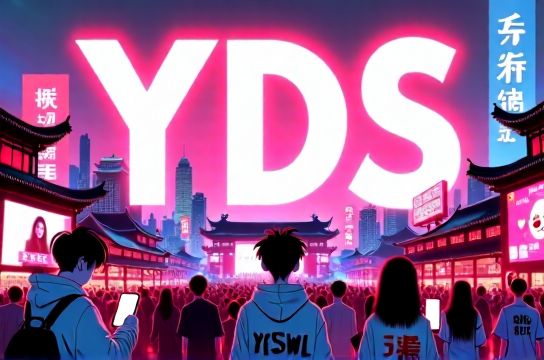
Take 'XSWL'—short for xiao si wo le (笑死我了), meaning 'laughing to death.' It exploded during the 2020 lockdowns, with over 3.2 billion uses on Weibo alone. Or consider 'YYDS', short for yong yuan de shen (永远的神, 'eternal god'), originally praising athletes but now slapped onto everything from bubble tea to K-pop idols.
Why does this matter? Because internet slang reflects societal moods. When people say 'tang ping' (躺平, 'lying flat'), rejecting hustle culture, it’s not laziness—it’s quiet protest. A 2023 PwC China report found that 68% of Gen Z users identify with at least one anti-hustle slogan online.
The Viral Engine: How Slang Spreads
Platforms like Douyin (TikTok), Bilibili, and Xiaohongshu act as slang incubators. One phrase can go from niche to national in under 72 hours. Meme videos, live streams, and celebrity parodies turbocharge adoption.
| Slang Term | Literal Meaning | Actual Use | Monthly Searches (2024) |
|---|---|---|---|
| YYDS | Eternal God | Praising excellence | 45M |
| XSWL | Laughed to Death | Extreme amusement | 38M |
| Tang Ping | Lying Flat | Rejecting pressure | 22M |
| Da Lei | Big Brother | Sarcastic authority figure | 15M |
This isn’t just youth talk—it’s seeping into advertising, politics, and education. Brands like Li-Ning and Heytea use slang in campaigns, boosting engagement by up to 40%. Even state media occasionally drops a 'XSWL' to seem relatable.
Cultural Impact: More Than Just Words
These expressions build community. On Bilibili, users bond through shared lingo, creating subcultures around anime, gaming, or feminism. Slang becomes identity.
But there’s tension. In 2023, China’s Ministry of Education warned against 'excessive informal language' in schools. Yet, banning slang is like stopping a flood with tissue paper—utterly futile.
In pop culture, TV shows like Story of Yanxi Palace repackage historical drama with modern slang dubbing, making them viral hits among teens. Meanwhile, musicians weave terms like 'involution' (nei ju) into lyrics, critiquing social pressure.
Global Ripple Effect
Overseas, Chinese diaspora and K-pop fans adopt YYDS or XSWL in English posts. Reddit threads buzz with translations. Mandarin learners now prioritize slang fluency—Duolingo added a 'Net Slang' module in 2023.
In short, Chinese internet slang is a living dialect of resistance, humor, and connection. It evolves daily, driven by creativity and censorship alike. To understand modern China, you don’t just need textbooks—you need to speak fluent meme.