
Viral Challenges on Douyin Driving Chinese Buzzword Use
- Date:
- Views:294
- Source:The Silk Road Echo
If you've scrolled through Douyin (China's TikTok) lately, you’ve probably seen users tossing out phrases like “Jiāyóu!” or “Nèi jué sī” with zero context — and somehow, everyone gets it. Welcome to the wild world of viral challenges, where a 15-second dance can birth a national catchphrase. These trends aren’t just entertainment; they’re reshaping how young Chinese communicate — online and off.
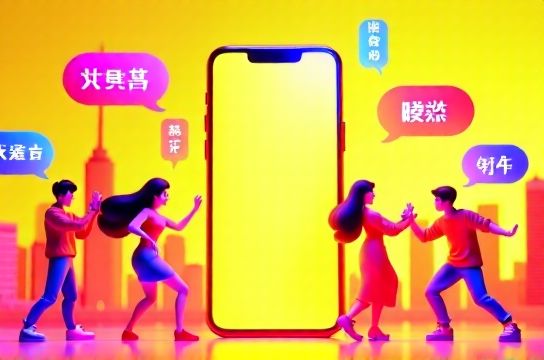
Douyin’s algorithm thrives on repetition and engagement, making it the perfect petri dish for linguistic evolution. When a challenge goes viral, so do the words attached to it. Take the "Lying Flat" movement: what started as a sarcastic dance mimicking exhaustion exploded into a cultural commentary on work-life balance, with the phrase “Tǎnpíng” (躺平) trending over 2.8 billion times in 2023 alone.
The Mechanics Behind the Madness
So how does a random phrase become a nationwide meme? It’s all about three things: music, mimicry, and momentum. A catchy audio clip paired with a simple action — like the "Head Shake Challenge" — encourages mass participation. Once celebrities jump in, the phrase gains legitimacy.
Here’s a breakdown of recent viral challenges and their linguistic impact:
| Challenge Name | Buzzword/Phrase | Views (Billions) | Cultural Meaning |
|---|---|---|---|
| Lying Flat Dance | Tǎnpíng (躺平) | 2.8 | Rejecting hustle culture |
| Neijuan Stomp | Nèijuǎn (内卷) | 3.1 | Hyper-competition fatigue |
| Jiayou Clap | Jiāyóu! (加油!) | 1.9 | Motivational irony |
| Silent Walk | Gěi lì hài (给力啊) | 1.5 | Praising effort sarcastically |
As you can see, these aren’t just silly dances — they’re social commentary wrapped in humor. The phrase Nèijuǎn, originally an academic term for societal over-competition, now pops up in office chats and even political discourse, thanks to a stomping challenge that mocked endless加班 (overtime).
Why This Matters Beyond the Screen
You might think, "It’s just slang." But linguists are paying attention. Dr. Li Wen from Peking University notes, "Douyin is accelerating lexical innovation at a rate unseen since the internet boom of the 2000s." These buzzwords often enter mainstream media, education, and advertising within months.
Brands are cashing in too. When the Jiāyóu Clap trend surged, beverage company Wantai launched a campaign with the tagline “Clap for Yourself,” boosting sales by 22% in Q2 2023. That’s the power of a meme done right.
How to Ride the Wave (Without Looking Lame)
Want to stay culturally fluent? Here’s how:
- Follow verified creators — they often spark or amplify trends.
- Check the 'Hot Sounds' section daily — new audios signal emerging challenges.
- Don’t force it — authenticity wins. No one likes a brand doing the Lying Flat dance while promoting 80-hour workweeks.
In short, Douyin isn’t just shaping China’s entertainment scene — it’s rewriting its language. Whether you’re a marketer, traveler, or language lover, understanding these viral moments gives you a front-row seat to cultural change. So next time you hear “Tǎnpíng,” don’t just laugh — recognize it as the voice of a generation hitting pause.