
How Kuaishou Shapes Regional Chinese Internet Slang
- Date:
- Views:314
- Source:The Silk Road Echo
If you've scrolled through China's digital culture scene lately, you've probably stumbled upon phrases like '老铁666' or '家人们谁懂啊'. But here's the twist — a lot of this slang didn't start on Weibo or Douyin. It was born in small towns, rural counties, and livestream rooms powered by Kuaishou. Yes, while everyone’s busy chasing coastal internet trends, Kuaishou has quietly become the breeding ground for authentic, grassroots Chinese internet language.
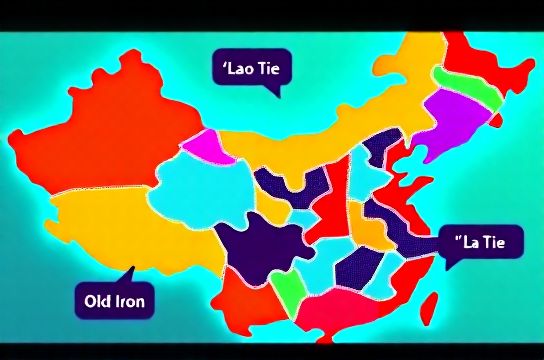
With over 620 million monthly active users (MAUs) as of 2023, Kuaishou isn’t just popular — it’s influential. Unlike its sleek, urban-focused rivals, Kuaishou thrives on realness. Farmers, factory workers, street vendors — they’re not just users; they’re content creators shaping how millions speak online.
The Rise of 'Old Iron' Culture
'老铁' (lǎo tiě), literally 'old iron', means 'bro' or 'close friend'. It’s warm, trustworthy, and deeply rooted in Northeastern Chinese dialect. On Kuaishou, hosts greet viewers with '老铁们早上好!' — turning regional flavor into national lingo.
This isn’t accidental. Kuaishou’s algorithm favors consistent, community-driven content over viral hits. That means users from Hunan to Heilongjiang feel seen — and heard. When a farmer in Henan cracks a joke using local slang, it doesn’t fizzle out. It gets shared, mimicked, and eventually lands on WeChat Moments nationwide.
Data Speaks: Kuaishou vs. Competitors
Let’s break down why Kuaishou dominates regional influence:
| Platform | MAUs (2023) | Primary User Base | Slang Origin Rate* |
|---|---|---|---|
| Kuaishou | 620M | Tier 2-4 cities & rural | 68% |
| Douyin | 750M | Tier 1-2 cities, youth | 22% |
| Bilibili | 315M | Gen Z, urban nerds | 10% |
*Estimated percentage of new slang terms originating from platform (source: iResearch, 2023)
From Livestream Banter to Mainstream Memes
Take '破防了' (pò fáng le) — originally gamer slang meaning 'emotional defense broken'. On Kuaishou, it evolved. A streamer cries after receiving gifts? '家人们我直接破防了!' Now, it’s used everywhere — from breakup tweets to Olympic losses.
Or consider '社死' (shè sǐ), short for 'social death'. Coined in forums, it gained full color on Kuaishou through cringe-comedy skits — think someone dancing wildly at a wedding, only to realize the music stopped.
Why This Matters
Kuaishou isn’t just spreading slang — it’s democratizing digital culture. For years, China’s internet language was shaped by Beijing and Shanghai elites. Now, a butcher in Guangxi can coin a phrase that trendjacks the nation.
Brands are noticing. Pinduoduo, Li-Ning, and even luxury labels use Kuaishou-born expressions in ads to feel 'authentic'.
The Bottom Line
If you want to understand how Chinese Gen Z really talks, don’t just watch Douyin dances. Dive into a Kuaishou livestream at 6 AM — where a noodle vendor in Harbin greets his '老铁' fans before opening shop. That’s where the next wave of internet slang is boiling.