
Chinese Youth Language in Digital Spaces
- Date:
- Views:265
- Source:The Silk Road Echo
In the fast-paced world of Chinese digital culture, language isn't just evolving—it's exploding. Forget textbook Mandarin; today’s youth are reshaping communication with slang, emojis, and abbreviations that leave even native speakers scratching their heads. Welcome to the vibrant, chaotic, and wildly creative universe of Chinese youth language in digital spaces.
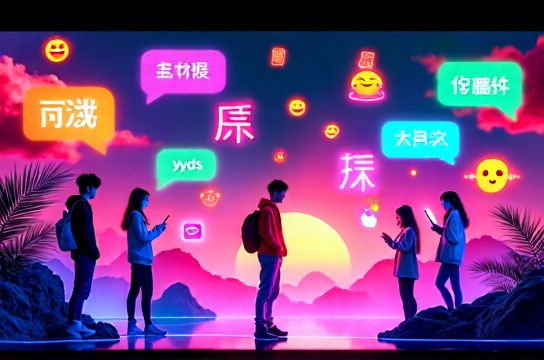
From WeChat chats to Douyin comments, young netizens use linguistic shortcuts like nmsl (你妈死了, originally offensive but now often playful) or xswl (笑死我了, "laughing to death") to bond, mock, and express identity. These aren’t just random acronyms—they’re cultural codes. A 2023 survey by iResearch found that 78% of Chinese users aged 15–24 regularly use internet slang in daily conversations, both online and offline.
But why does this matter? Because language reflects mindset. The rise of terms like neijuan (内卷, "involution") and tangping (躺平, "lying flat") reveals a generation pushing back against societal pressure. These words aren’t just trendy—they’re resistance.
The Secret Code: Decoding Popular Slang
Let’s break down some of the most viral expressions lighting up China’s digital scene:
| Slang | Literal Meaning | Actual Use | Popularity Index* |
|---|---|---|---|
| yyds | 永远的神 | "Unstoppable legend" – used for idols, food, or anything awesome | 9.8/10 |
| zqsg | 真情实感 | "True feelings" – showing genuine emotion online | 8.5/10 |
| dbq | 对不起 | "Sorry" – casual apology in group chats | 9.0/10 |
| u1s1 | 有一说一 | "Honestly speaking" – preface for blunt opinions | 8.7/10 |
*Based on Baidu Index and Weibo trending data, Q2 2024
These abbreviations aren’t just about speed—they’re about belonging. Using yyds in a comment under a K-pop video? You’re part of the fan clan. Dropping u1s1 in a debate? You sound informed and chill.
Emoji & Visual Language: More Than Just Cute Faces
It’s not all text. Emojis, stickers, and meme images are essential tools. The 😂 face ("dalao", big laugh) and the crying-laughing emoji are top performers. But custom stickers—like the infamous "wazi" (a bald cartoon boy expressing despair)—carry emotional weight words can’t match.
A Tencent report shows that 63% of Gen Z users prefer sending stickers over typing full sentences in private chats. Why? Efficiency, yes—but also nuance. A well-timed sticker can tease, comfort, or roast without saying a word.
Platform Matters: Where the Language Lives
Different platforms breed different dialects. On Bilibili, you’ll hear azn (阿珍) and azg (阿正)—terms from inside jokes in popular variety shows. On Xiaohongshu, it’s all about aesthetic slang like ins style or fufeng zaoji (附庸造极, mocking overly pretentious content).
Meanwhile, WeChat groups mix formal and informal tones, creating hybrid phrases like "收到,宝" ("Got it, babe")—professional yet affectionate.
Why This Trend Is Here to Stay
This isn’t a fad. It’s a linguistic revolution fueled by identity, humor, and digital intimacy. As long as young people seek connection and creativity, they’ll keep inventing new ways to say what they mean—often in ways older generations won’t immediately understand.
So next time you see "xswl" or "yyds" flying across your screen, don’t roll your eyes. Celebrate it. You’re witnessing the birth of a new kind of Chinese—one shaped by memes, moods, and the unstoppable energy of youth.