
The Rise of Meme Culture in China: How Netizens Use Humor to Navigate Censorship
- Date:
- Views:254
- Source:The Silk Road Echo
Let’s be real—life online in China isn’t always what it seems. Behind the Great Firewall, where censorship is part of the daily internet experience, Chinese netizens have gotten *incredibly* creative. And one of their favorite tools? Memes. Yep, funny images, sarcastic wordplay, and absurd viral content aren’t just for laughs—they’ve become a stealthy way to talk about sensitive topics without getting flagged.
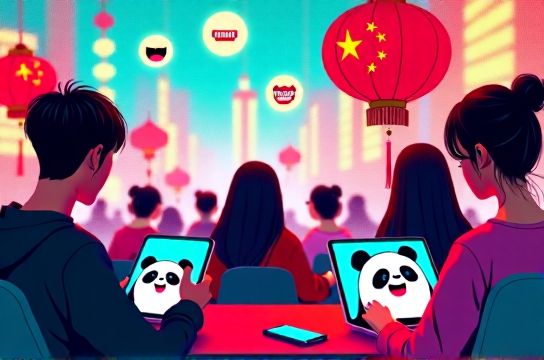
So how did meme culture blow up in China, and why does it matter? Buckle up, because it’s way more clever than you think.
First off, memes in China aren’t just cats with sunglasses (though those exist too). They’re packed with layers—coded language, historical references, and inside jokes that fly under the radar. For example, instead of directly criticizing authority, people might use a silly cartoon panda doing something ridiculous to represent frustration with bureaucracy. It’s humor with a side of subversion.
Take the famous 'diaosi' meme—a self-deprecating term meaning 'loser' or 'underdog.' Originally used by young men feeling left behind by society, it turned into a whole cultural movement. Memes featuring awkward, broke guys resonated hard with millennials struggling with high housing prices and job pressure. It wasn’t just funny—it was social commentary disguised as comedy.
Then there’s wordplay. Since direct speech can be risky, netizens twist language to make a point. Homophones, puns, and even emoji combinations become secret codes. Remember when 'grass-mud horse' (草泥马) went viral? Sounds innocent, right? Well, it’s a homophone for a major Chinese swear phrase. Thousands of memes featured this fake animal, complete with its own 'ecosystem,' all as a cheeky middle finger to censorship. The government tried to ban it—joke’s on them, it only got more popular.
Platforms like Weibo, Douban, and Bilibili are meme goldmines. On Bilibili, users flood videos with scrolling danmu comments that turn serious content into comedy shows. A documentary about ancient history? Suddenly it’s full of jokes comparing emperors to modern politicians. It’s not just entertainment—it’s collective resistance through laughter.
And let’s not forget political satire. During major events, memes pop up fast. Officials’ awkward expressions get turned into stickers. State slogans get remixed with pop culture. None of it says anything outright, but everyone gets the message. It’s like a digital game of whisper-down-the-alley, except everyone’s laughing—and thinking.
Of course, it’s a risky game. Some meme creators get banned. Others vanish overnight. But the culture keeps evolving, staying one step ahead. When one symbol gets censored, ten new ones appear. It’s an endless cat-and-mouse game between netizens and censors.
So what’s the big takeaway? Memes in China are more than just viral pics. They’re a form of digital survival—creative, resilient, and deeply human. In a space where free speech has limits, humor becomes a loophole. And honestly? It’s kind of brilliant.
In the end, whether it’s a goofy panda, a made-up animal, or a thousand dancing emojis, Chinese meme culture proves one thing: even in tight spaces, creativity finds a way to breathe.