
From 'Involution' to 'Lying Flat': Understanding China's Internet Slang as Social Commentary
- Date:
- Views:306
- Source:The Silk Road Echo
You’ve probably heard terms like ‘involution’ and ‘lying flat’ floating around online—but what do they really mean? And why are millions of young Chinese people using these phrases to describe their lives? Let’s break it down in plain, relatable English.
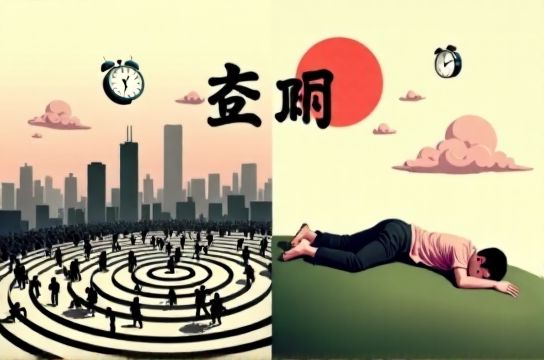
First off, ‘involution’—or *neijuan* (内卷) in Mandarin—isn’t about biology. It’s a buzzword that went viral for a reason. Imagine this: you’re working hard to get ahead, but so is everyone else. The competition gets fiercer, hours get longer, stress skyrockets—and yet, no one actually wins. That’s involution. It’s running faster just to stay in place. Think of students pulling all-nighters just to outdo each other, or office workers staying late even when there’s no work left—all just to look ‘committed.’
Then came the backlash: ‘lying flat’ (*tangping*, 躺平). This isn’t laziness—it’s a quiet protest. People started saying, ‘Why play a game I can’t win?’ So they stepped back. Less overtime. Fewer material goals. More focus on personal peace. It’s not about quitting life; it’s about rejecting burnout culture.
These slang terms aren’t just internet jokes—they’re social signals. They reflect real pressure: sky-high housing costs, intense job markets, and the fading promise of upward mobility. For many young adults in China, the dream of working hard and succeeding feels… broken.
What’s fascinating is how these ideas spread. They didn’t come from politicians or textbooks. They emerged from forums, social media, and everyday conversations. That’s the power of internet slang—it gives people a voice when formal channels fall silent.
And let’s be real: while ‘lying flat’ sounds radical, most aren’t actually quitting jobs or dropping out. It’s more of a mindset—a way to say, ‘I won’t let hustle culture destroy my mental health.’ Some call it defeat. Others call it self-preservation.
The government hasn’t stayed quiet either. State media has criticized ‘lying flat’ as unpatriotic or overly pessimistic. But that reaction shows how potent these words are—they’re not just describing a mood; they’re challenging national narratives about progress and success.
So why should you care? Because this isn’t just a ‘China thing.’ Involution? Lying flat? Sound familiar? Yeah—people worldwide are feeling the grind. From Silicon Valley burnout to Japan’s *karoshi* (death from overwork), the struggle is global. China’s internet slang just gave it a catchy, viral label.
In the end, ‘involution’ and ‘lying flat’ are more than memes. They’re cultural snapshots—short, sharp cries for balance in an unbalanced world. And as long as the pressure keeps building, you can bet new slang will keep emerging.
So next time you see someone ‘lying flat’ online, don’t judge. Maybe they’re just trying to breathe.