
From Fanquan to Fandom Wars: The Role of Youth in Viral Video Trends China
- Date:
- Views:271
- Source:The Silk Road Echo
In the fast-paced digital era, Chinese youth are no longer just passive viewers—they're trendsetters, content creators, and sometimes, warriors in the invisible battles of fandom culture. From fanquan (fan circles) to full-blown fandom wars, young netizens are shaping viral video trends across platforms like Douyin, Bilibili, and Weibo with unmatched energy and precision.
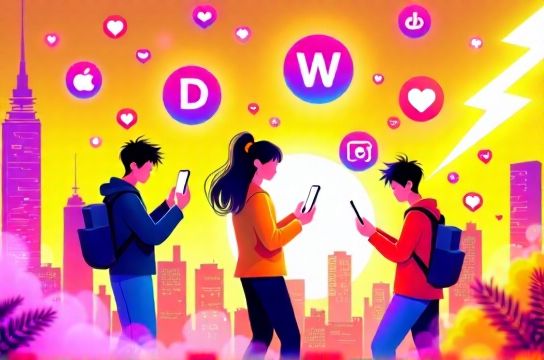
The term fanquan refers to tightly-knit online communities centered around idols—whether pop stars, actors, or internet personalities. These groups don’t just cheer from the sidelines; they organize mass viewing parties, launch hashtag campaigns, and even manipulate algorithms to boost their favorites. According to a 2023 report by iiMedia Research, over 400 million Chinese users participate in fan-driven online activities, with 68% aged between 15 and 28.
The Engine Behind the Virality
So how do these fan groups turn a simple dance clip into a nationwide sensation? It’s all about coordination. A single trending challenge can be amplified by thousands of synchronized uploads within hours. For example, when pop star Cai Xukun’s music video dropped in 2022, fans generated over 200,000 user-created remixes on Douyin in under 48 hours—pushing it to 1.2 billion views.
| Fandom | Platform | Peak Daily Posts | Viral Challenge Reach |
|---|---|---|---|
| Cai Xukun Fans | Douyin | 210,000 | 1.2B views |
| Wang Yibo Supporters | Bilibili | 98,000 | 650M views |
| Idol School Groupies | 150,000 | 900M impressions |
These numbers aren’t accidental. Fan squads use shared editing templates, pre-scheduled posting tools, and even AI-generated subtitles to maximize reach. They’ve turned fandom into a well-oiled machine.
When Passion Turns Toxic: The Dark Side of Fandom Wars
But where there’s fire, smoke follows. As fan loyalty intensifies, so do conflicts. "Fandom wars" erupt when rival supporter bases clash—often over trivial matters like stage positioning or interview tone. In 2021, a minor comment by actor Leo Wu sparked a week-long online feud that flooded Weibo’s top trends with heated debates and doxxing attempts.
These digital battlegrounds reflect deeper issues: identity, belonging, and the pressure to perform loyalty. Many young fans feel that defending their idol is defending themselves. Yet, this emotional investment sometimes crosses ethical lines—spamming, hacking, and cyberbullying have all been reported.
Platforms Caught in the Crossfire
Social media companies walk a fine line. While fan engagement drives traffic and ad revenue, uncontrolled fandom wars risk public backlash and regulatory scrutiny. In 2022, China’s Cyberspace Administration cracked down on "toxic fan culture," banning ranking systems and limiting vote-based competitions.
Despite restrictions, creativity thrives. Young fans now channel their energy into positive projects—charity livestreams, educational parodies, and art collabs. On Bilibili, one fan-made animation explaining quantum physics using idol metaphors racked up 3 million views, proving that fandom intelligence goes beyond blind devotion.
In the end, Chinese youth aren’t just chasing trends—they’re creating them. Whether through dance challenges or data-driven campaigns, they’ve mastered the language of virality. And while the drama of fandom wars grabs headlines, the real story is one of innovation, community, and digital fluency that’s redefining online culture—one video at a time.