
Understanding 'Zaoxing' – A New Wave in Chinese Internet Slang Explained
- Date:
- Views:272
- Source:The Silk Road Echo
If you've been scrolling through Chinese social media lately—especially on platforms like Weibo, Douyin, or Bilibili—you might’ve stumbled upon the term "zaoxing" (早性). It’s not a typo for "zaofan" (breakfast) or "zaogao" (morning report). Nope. Zaoxing is the latest internet slang storm sweeping across Gen Z chats, and it’s way more revealing than you think.
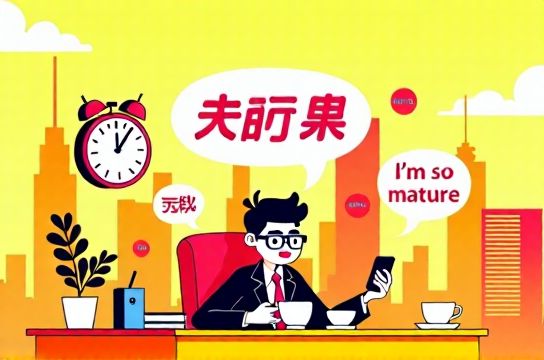
So what exactly is zaoxing? Literally translated, it means “early nature” or “early tendency.” But in the wild world of Chinese netizens, it’s evolved into something far more nuanced: a sarcastic jab at young people who act overly mature, responsible, or adult-like—way too early in life.
Think about it: someone in their early 20s who wakes up at 6 a.m. to meditate, meal-preps for the week on Sundays, talks about retirement plans, or avoids nightlife like it’s toxic. To many Chinese youth, that’s not admirable—it’s zaoxing. And while it sounds playful, it actually reflects deeper cultural tensions around youth, pressure, and societal expectations.
Why Is 'Zaoxing' Trending Now?
In China’s hyper-competitive society, young people face immense pressure—from academics to job markets to family expectations. The concept of “growing up fast” has become normalized. But zaoxing flips that script. It mocks the idea that being an adult means losing your youth. It’s a form of digital rebellion.
A 2023 survey by Pew Research Center found that 68% of urban Chinese millennials and Gen Z respondents feel pressured to act older than they are. Meanwhile, Bilibili reported over 120 million views on videos tagged with #早性 in the past six months alone.
Decoding the Zaoxing Lifestyle
Here’s a breakdown of typical behaviors labeled as zaoxing—and how they’re perceived online:
| Behavior | Zaoxing Label? | Gen Z Reaction |
|---|---|---|
| Waking up before 7 a.m. on weekends | ✅ Yes | “Already aging at 22?” |
| Carrying a thermos with goji berries | ✅ Strongly zaoxing | “Is this grandpa mode?” |
| Talking about pension plans | ✅ Extremely zaoxing | “Rest in peace, youth.” |
| Drinking herbal tea instead of bubble tea | ⚠️ Borderline | “You’re one step from retirement.” |
| Going to bed before midnight | ✅ Common zaoxing sign | “Sleep is for the weak… but also very zaoxing.” |
The humor lies in exaggeration—but there’s truth beneath the meme. Many young Chinese feel they’re forced into adulthood before they’ve had time to enjoy being young. Zaoxing becomes both a joke and a subtle cry for freedom.
Is Zaoxing Always Negative?
Not really. Some embrace the label proudly. On Xiaohongshu (Little Red Book), users post #ZaoxingLife hauls showing off their morning routines, skincare regimens, and financial planners—owning the vibe with irony and self-awareness.
It’s less about judging responsibility and more about questioning why kids feel they must grow up so fast. Is it parental pressure? Job insecurity? The fear of falling behind in a rapidly changing economy?
Final Thoughts: More Than Just a Meme
Zaoxing isn’t just slang—it’s a cultural barometer. It captures the anxiety, humor, and resilience of a generation navigating high expectations in a low-margin world. Whether you're team 'live young' or team 'adulting hard,' understanding zaoxing gives you a window into modern Chinese youth culture.
So next time you see someone sipping goji tea at 7 a.m., don’t judge. Just whisper: “RIP your youth… you’re so zaoxing.”