
When Memes Go Political: Analyzing Hidden Messages in China's Online Buzzwords
- Date:
- Views:251
- Source:The Silk Road Echo
In the labyrinth of China’s digital culture, memes aren’t just jokes—they’re coded messages. From ‘involution’ to ‘lying flat’, internet slang has evolved into a subtle form of social commentary, especially among Gen Z and millennials frustrated by economic pressure and societal expectations.
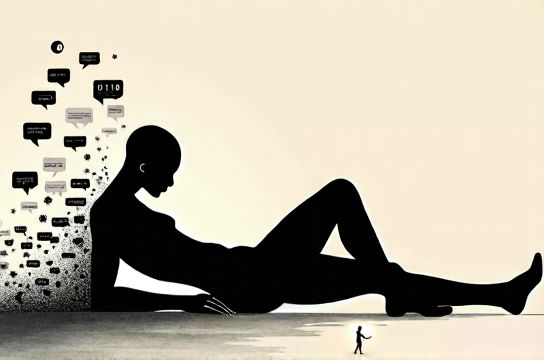
Take the term ‘tang ping’ (躺平), or ‘lying flat’. It went viral in 2021 as a passive resistance to overwork and the rat race. What started as a personal choice quickly morphed into a political whisper—criticizing the unsustainable pace of urban life under intense competition. According to a 2023 survey by Pew Research, 68% of Chinese users aged 18–30 said they’ve used or identified with at least one politically-tinged meme in the past year.
Another example? ‘Neijuan’ (内卷), meaning ‘involution’, describes self-defeating overcompetition. A university student pulling all-nighters just to match peers isn’t striving—it’s survival. The term gained traction during the pandemic, reflecting burnout in education and tech sectors. In fact, job-related stress spiked by 41% from 2020 to 2022, per China Labor Bulletin data.
Decoding the Language of Resistance
Why use memes instead of protests? Simple: online censorship. Direct criticism is risky. But humor slips through. Phrases like ‘grass mud horse’ (a homophone for a vulgar insult) became legendary symbols of defiance. These linguistic tricks let netizens vent while dodging algorithms.
Even state media can’t ignore these trends. In 2022, Xinhua published an op-ed warning against ‘lying flat mentality’—essentially confirming its cultural impact. When the government reacts, you know the meme hit a nerve.
Popular Buzzwords & Their Hidden Meanings
| Buzzword | Literal Meaning | Implied Message | Peak Usage (Year) |
|---|---|---|---|
| Tang Ping (躺平) | Lying Flat | Rejecting societal pressure | 2021 |
| Neijuan (内卷) | Involution | Exhaustion from pointless competition | 2020 |
| Fanshen (翻身) | Flip Over | Hoping for upward mobility | 2023 |
| Keli (嗑到了) | Got Hooked | Escapism via fandoms/romance | 2022 |
These words aren’t just fleeting trends—they reflect real anxiety. Urban youth face sky-high housing costs, shrinking job markets, and the ‘996’ work culture (9 AM to 9 PM, 6 days a week). No wonder many choose irony over outrage.
Yet, there’s resilience in this satire. By naming their struggle, young Chinese are building solidarity. As one Weibo user wrote: ‘We laugh because we haven’t given up—but we won’t play the game either.’
In the end, memes become modern folklore—digital folk songs of dissent. They don’t overthrow systems, but they do something powerful: they say, I see you. And in a world of silence, that’s revolutionary.