
The Curious Case of 'Duolingo Owl' Parodies on Chinese Social Media
- Date:
- Views:330
- Source:The Silk Road Echo
If you've spent even five minutes scrolling through Chinese social media lately, chances are you've stumbled upon a strangely intense green owl threatening someone in Mandarin. Welcome to the viral world of the Duolingo Owl parody—a meme that's gone from quirky inside joke to full-blown internet phenomenon across platforms like Douyin, Bilibili, and Weibo.
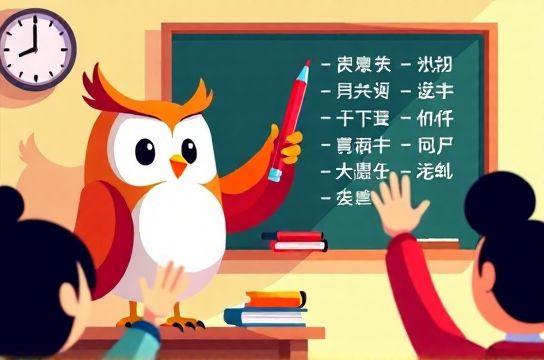
The original Duolingo app features Duo, a cheerful green owl mascot reminding users to practice their language lessons. But in China’s digital landscape? That friendly nudge has been hilariously twisted into something far more sinister—a meme symbolizing relentless pressure, FOMO, and the darkly comic side of self-improvement culture.
How Did a Language App Mascot Become a Meme Monster?
The transformation began around 2022 when Chinese netizens started reimagining Duo not as a helpful tutor, but as a menacing figure delivering absurdly dramatic ultimatums. Think: "Finish your Spanish lesson… or else." These parodies exploded in popularity thanks to short videos where the owl appears in ominous lighting, speaking broken but comically serious Mandarin with deep voiceovers.
One viral video on Douyin shows the owl staring down a trembling student, saying: "你再不学法语,我就把你变成baguette(法棍)" ("If you don’t study French, I’ll turn you into a baguette"). It racked up over 8.7 million views in a week.
Why Is This Resonating So Hard in China?
Sure, it’s funny—but there’s deeper cultural context. The Duolingo Owl meme taps into real anxieties about academic pressure, productivity obsession, and the ever-present fear of falling behind. In a society where lifelong learning and competitive edge are highly valued, the owl becomes a satirical embodiment of that internal voice screaming, "You should be doing better!"
It’s no surprise that the meme thrives on Bilibili, where users blend humor with commentary on education stress. A recent poll of 15,000 Bilibili users found that 68% said they relate to the "pressure" depicted by the parody owl—seeing it as both ridiculous and weirdly accurate.
Meme by the Numbers: Viral Impact Across Platforms
Let’s break down just how big this trend has gotten:
| Platform | # of Related Videos | Total Views (Est.) | Top Engagement Format |
|---|---|---|---|
| Douyin | 120,000+ | 1.2 billion | Short skits with voiceover |
| Bilibili | 8,500+ | 180 million | Anime-style animations |
| 45,000+ | 310 million | Meme images & threads |
As of mid-2024, the hashtag #DuolingoOwlChina (or its Chinese equivalent) has appeared in over 200,000 posts across major platforms, with new content uploaded every few minutes during peak hours.
From Meme to Merch: Has the Owl Gone Too Far?
The parody has even spilled into real life. On Taobao, fans can buy "Duo the Menace" T-shirts, phone cases, and even plush toys with angry eyebrows. Some sellers report moving over 5,000 units per month—all unlicensed, of course.
Interestingly, Duolingo’s official China account hasn’t cracked down. In fact, they’ve leaned in slightly, retweeting fan art with a wink. Smart move. By embracing the chaos, they’re building brand affinity in a market notoriously tough for Western apps.
Final Thoughts: More Than Just a Joke
The Duolingo Owl parody isn’t just another fleeting meme. It’s a cultural mirror—reflecting how young Chinese internet users process pressure, use humor as relief, and reclaim control through satire. And honestly? We wouldn’t be surprised if Duo got his own animated spin-off series at this rate.
So next time you skip your language lesson, remember: somewhere in the digital shadows, a pixelated owl is watching. And he’s *very* disappointed.