
The Rise of Emoji Warfare: Understanding China’s Unique Emojis and Expression Packages
- Date:
- Views:281
- Source:The Silk Road Echo
In the digital age, emojis have become a global language. But in China, they've evolved into something far more intense — a cultural phenomenon known as Emoji Warfare. Forget simple smileys; Chinese netizens use expressive, often absurd, meme-like stickers to win arguments, roast friends, and even conduct business negotiations. Welcome to the wild world of biaoqingbao (表情包) — expression packages that are equal parts art, satire, and social commentary.
Why Are Chinese Emojis So Different?
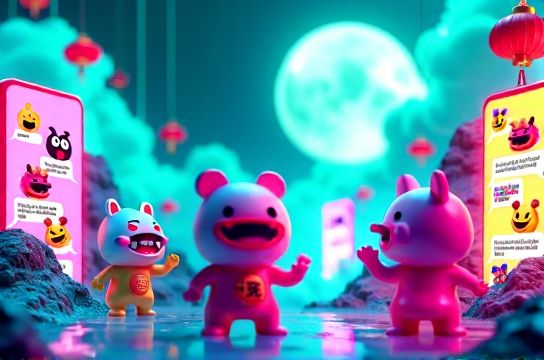
While Western users stick to Apple or WhatsApp’s standard emoji sets, Chinese messaging platforms like WeChat, QQ, and Douyin encourage personalized sticker packs. These aren’t just cute animals — they feature politicians, celebrities mid-rant, cartoonized pandas in suits, and even screenshots of famous TV dramas turned into reaction images.
The secret? Context is everything. A single image can carry layers of irony, historical reference, or political nuance. For example, using a clip of Chairman Mao waving might seem serious — until it's paired with text like “I’m not angry, just disappointed” in a group chat about someone bringing instant noodles to a hot pot party.
The Data Behind the Drama
Emojis aren’t just fun — they’re big business. According to iResearch, over 80% of Chinese mobile users send custom stickers daily. Tencent reported that WeChat users shared more than 6 billion sticker messages per day in 2023 alone.
| Platform | Daily Sticker Messages | Top Themes |
|---|---|---|
| 6.2 billion | Celebrity parodies, anime, sarcasm | |
| 4.8 billion | Cartoons, gaming culture | |
| Douyin | 3.5 billion | Viral trends, dance reactions |
How to Survive (and Win) Emoji Warfare
New to Chinese digital culture? Here’s your survival guide:
- Never underestimate the power of a well-timed panda — especially one crying while eating ramen.
- Learn the classics: The “wotou” (cornbread) face, the crying cat, and Jack Ma’s infamous “I’m not here for money” smirk are all staples.
- Custom packs rule. Top creators earn six-figure incomes from selling themed stickers.
And remember: silence isn’t peace — it’s preparation. If someone stops replying and then drops a 10-second video of a dragon sneezing fire, you’ve already lost.
Cultural Code or Digital Rebellion?
Some scholars argue these stickers are more than jokes — they’re subtle tools of resistance. In a tightly censored environment, absurdity becomes armor. A meme of Xi Jinping as a cartoon kitten may never pass moderation, but a vague image of a lion yawning while holding chopsticks? That could mean anything — or nothing. And that ambiguity is powerful.
Still, Tencent isn’t blind. Over 500 sticker packs were removed in 2022 for “undermining social stability.” Yet new ones pop up daily — a testament to the creativity and resilience of China’s online communities.
In the end, emoji warfare isn’t just about laughs. It’s about identity, expression, and staying human in an increasingly automated world. So next time you see a crying potato with text saying “I tried my best,” don’t laugh too hard — you might be the next victim.