
From Didi to Ding! How Meme Culture China Shapes Online Humor Today
- Date:
- Views:341
- Source:The Silk Road Echo
If you've scrolled through Chinese social media lately, you know one thing's for sure: the internet here doesn't just meme — it magnifies absurdity. From a simple 'Didi' (滴滴) notification to a full-blown national inside joke, China’s online humor is fast, fierce, and freakishly creative.
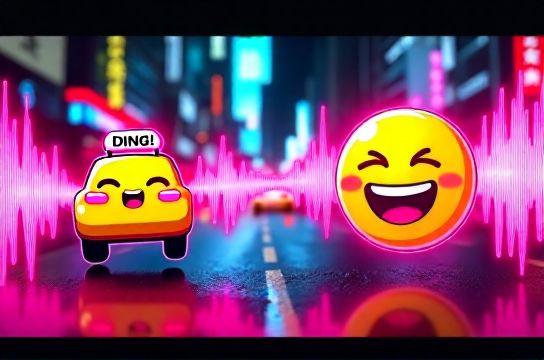
The Rise of the 'Ding' Sound: More Than Just a Ping
Remember that soft 'Ding!' from DingTalk? What started as a corporate communication tool has become a punchline legend. When schools shifted online during lockdowns, students weaponized the sound, flooding forums with memes like 'When the teacher says 'I’ll just check attendance real quick' — DING!'. The audio clip was remixed into EDM drops, used in fake horror skits, and even became a protest symbol against excessive homework.
But Ding isn’t alone. Didi, China’s Uber equivalent, turned its app alert into a viral audio meme. TikTok-style videos show people triggering the 'Didi' sound in quiet libraries or romantic movie scenes — cue mass laughter.
Why Chinese Memes Hit Different
Unlike Western memes that often rely on text or image macros, Chinese netizens favor audio-visual gags, short video remixes, and context-driven irony. Why? Blame it on censorship, creativity, or sheer digital density — over 1.05 billion internet users competing for attention.
Platforms like Douyin (TikTok), Weibo, and Bilibili act as meme accelerators. A single phrase can evolve into dozens of variations in under 48 hours. Take 'jue jue zi' (绝绝子), meaning 'absolutely amazing,' now used sarcastically to mock hype culture.
Data Dive: Meme Lifecycle in China vs. Global
Check this out — how fast do memes spread?
| Metric | China (Avg) | Global (Avg) |
|---|---|---|
| Time to Peak Virality | 18 hours | 72 hours |
| Lifespan (Active Use) | 6–9 days | 2–3 weeks |
| Platform Concentration | Douyin & Weibo (80%) | TikTok, Twitter, Instagram (split) |
| User Remix Rate | 67% | 38% |
Yep — Chinese memes burn bright and fast, but they’re remixed like crazy. That’s user engagement on steroids.
The Language of Laughter: Slang That Defines a Generation
You can’t talk memes without decoding the lingo. Here are a few crowd favorites:
- Xiaoxianrou (小鲜肉) – Literally 'little fresh meat,' used to tease overly pretty boy idols.
- Zao Wan (早饭) – Not just 'breakfast.' In meme-speak, it means roasting someone early and hard.
- Niu Bing (牛逼) – 'Awesome' or 'bullpen'? Nah, it’s 'badass' — but say it wrong, and you’re calling someone a cow’s rear.
Behind the Jokes: Social Commentary in Disguise
Let’s get real — not all memes are silly. Many mask sharp critiques. The '996 work culture' backlash? It went viral via memes showing exhausted office workers turning into zombies. Even the term 'involution' (内卷) blew up after being paired with absurd images — like two people racing on hamster wheels labeled 'promotion.'
And when free speech hits a wall, humor climbs over it. Censors may block keywords, but a well-timed 'Ding!' sound? That slips right through.
Final Thoughts: Laugh Now, Remember Later
China’s meme culture isn’t just about laughs — it’s a digital survival toolkit. It builds community, channels frustration, and turns everyday sounds into shared stories. So next time you hear a 'Ding' or 'Didi,' don’t just cringe. Appreciate the chaos. Because in China’s online world, a simple ping can start a revolution — one laugh at a time.