
Behind the Laughter: Analyzing Viral Videos and Their Social Commentary in China
- Date:
- Views:334
- Source:The Silk Road Echo
You’ve seen them—those hilarious, over-the-top videos flooding your feed. A guy in a tracksuit dancing wildly in a subway station. A grandma roasting her grandson’s dating life with brutal honesty. Or that farmer who turned into an internet sensation just by cooking rice with dramatic flair. Yeah, we all laugh. But hold up—what if these viral clips are more than just entertainment? In China, viral videos aren’t just about going viral for the sake of fame. They’re sneaky little mirrors reflecting society’s deepest tensions, dreams, and frustrations.
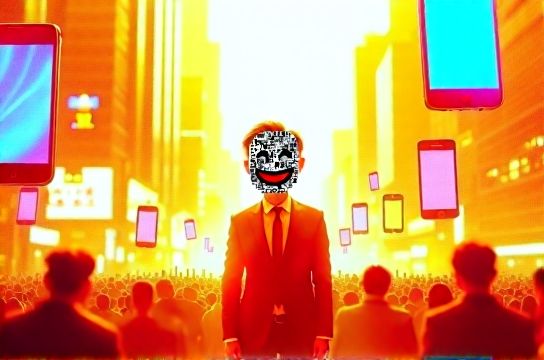
Let’s get real: China’s digital landscape is wild. With over a billion internet users and platforms like Douyin (aka TikTok) and Kuaishou ruling the game, anyone with a smartphone can become an overnight star. But here’s the twist—many of these viral sensations carry subtle social commentary wrapped in humor, absurdity, or raw emotion.
Take the rise of ‘down-to-earth’ influencers. While polished celebrities dominate mainstream media, millions are drawn to ordinary folks living unfiltered lives—like Li Ziqi, whose poetic rural videos sparked global awe, or Zhang Tong, a construction worker who sings opera during lunch breaks. These creators don’t just entertain—they challenge the idea of what success looks like in a high-pressure society obsessed with wealth and status.
Then there’s the satire. Some videos mock the grind culture head-on. Remember that sketch where an office worker pretends to be busy by shaking a water bottle like it’s a stress ball? It wasn’t just funny—it was a middle finger to the 996 work culture (9 a.m. to 9 p.m., 6 days a week). People shared it like crazy because it hit too close to home.
And let’s not forget how regional pride plays into this. Rural creators using thick dialects or showcasing local traditions aren’t just preserving culture—they’re pushing back against urban elitism. Their virality says: ‘We matter too.’
But it’s not all sunshine and empowerment. The government keeps a close eye on content. Anything too political? Poof—gone. So creators get creative. They use metaphors, exaggeration, or absurd scenarios to sneak in critiques. A video about a man arguing with a vending machine might actually be about bureaucracy. You gotta read between the memes.
So next time you chuckle at that dude crying while eating instant noodles, ask yourself: why did this resonate with 10 million people? Because sometimes, laughter is the only way to cope—and the smartest way to speak truth in a world that doesn’t always want to listen.