
Explaining Chinese Buzzwords Like 'Fan Quan' and 'Zao Hua': A Guide to Online Identity Wars
- Date:
- Views:400
- Source:The Silk Road Echo
If you’ve spent any time scrolling through Chinese social media—especially Weibo, Douyin, or Xiaohongshu—you’ve probably stumbled across terms like 'fan quan' or 'zao hua' and wondered: what on earth are people talking about? Don’t worry, you’re not alone. These aren’t ancient proverbs or secret codes—they’re modern internet slang that’s shaping how young people in China express identity, loyalty, and even outrage online.
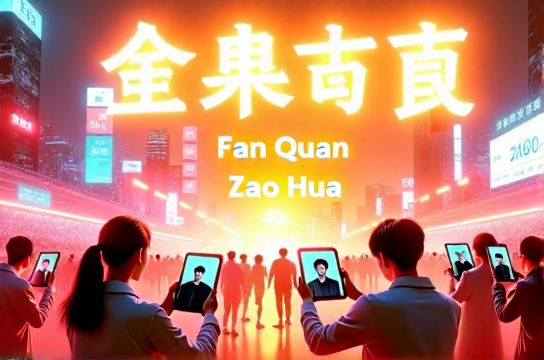
Let’s break it down in plain, human English.
First up: *fan quan*, literally meaning 'fan circle'. But don’t be fooled by the simple translation. This isn’t just a group of casual fans. Think of it more like a hyper-organized, sometimes obsessive fandom ecosystem. Picture K-pop stans—but with tighter coordination, bigger budgets, and way more drama. Fan quan members don’t just like a celebrity; they *protect* them. They organize streaming parties to boost music rankings, flood comment sections with praise, and wage full-on digital wars against critics. It’s less 'I enjoy this idol' and more 'I am part of a movement'.
Then there’s *zao hua*, which translates to 'creation'. But again, it’s deeper than it sounds. In fan quan culture, 'zao hua' means building and controlling an idol’s public image—from their fashion choices to their personality traits. Fans don’t just consume content; they *create* it. They edit videos, write fan fiction, design merch, and even coach idols on how to act during interviews. The line between fan and manager gets blurry real quick.
Now, here’s where things get spicy. When fan quan clash—say, over a perceived slight between two idols—it can turn into all-out online warfare. Trolling, doxxing, mass reporting of posts… it’s messy. And authorities have taken notice. In recent years, China has cracked down on 'toxic fan culture', banning ranking systems and punishing coordinated attacks. Why? Because these digital tribes aren’t just playing games—they’re influencing public discourse, media trends, and even mental health.
So why should you care? Because this isn’t just a Chinese thing anymore. The intensity, the organization, the emotional investment—it’s a preview of where global fan culture might be headed. Platforms everywhere are seeing tighter-knit, more aggressive communities forming around influencers, streamers, and celebrities.
In short: 'fan quan' and 'zao hua' aren’t just buzzwords. They’re windows into how identity, loyalty, and power play out in the digital age. Love them or hate them, they’re reshaping the rules of fame—one viral post at a time.